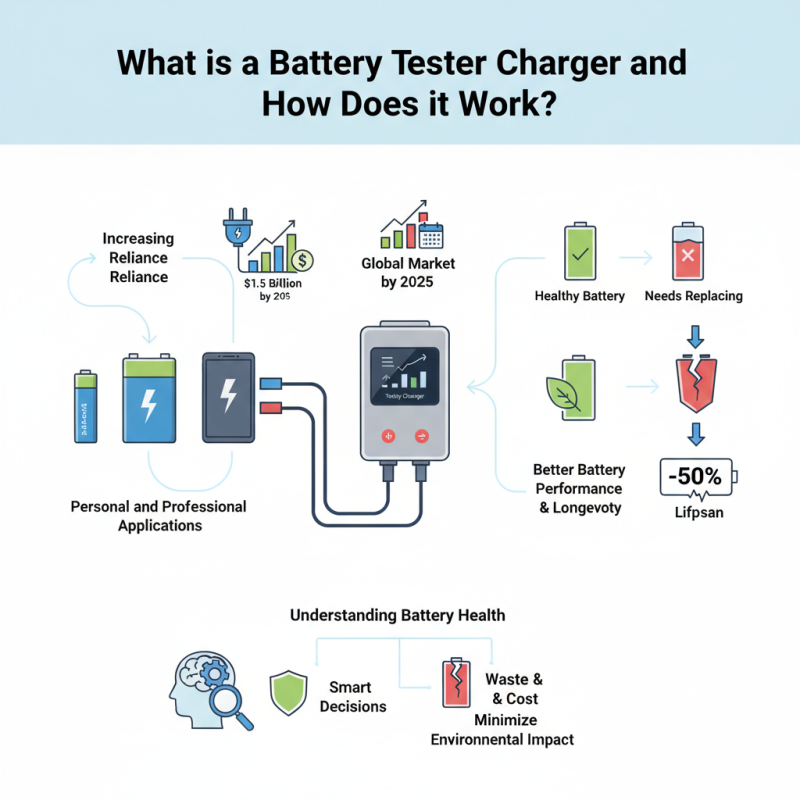
As more and more of us rely on rechargeable batteries in our daily routines, it really highlights just how important having a good Battery Tester Chargeris. You know, according to MarketsandMarkets, the global market for Battery Testing gear is expected to hit around $1.5 billion by 2025. That’s pretty crazy, right? It just shows how much people are looking for better ways to take care of their batteries. Whether it’s for your home gadgets or electric cars, having a quality Battery Tester Charger is pretty much essential.
Getting a handle on how these testers work can actually help your batteries perform better and last longer. They check the health of your batteries and how well they’re charging — basically telling you if a battery is still good or if it's time to replace it. A study from ResearchAndMarkets even points out that bad battery management can cut a battery’s lifespan by up to half! And honestly, a lot of folks don’t realize their batteries are losing power until it’s too late.
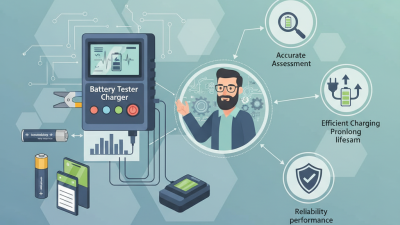
Now, most Battery Tester Chargers are pretty simple to use, but not all of them come with the features you really need for a thorough check. It’s super important to pick one that fits your specific needs. Some testers might give you inaccurate readings, and that can lead to wasting money or trashing batteries too early. If you understand your battery’s health with a reliable tester, you can make smarter decisions and do your part to cut down on waste and environmental impact. It’s all about smarter, better battery care—am I right?
Battery Tester Charger Overview: Definition and Purpose
A battery tester charger is a vital tool for maintaining battery health. This device helps check the voltage and state of charge of batteries. It provides a clear picture of whether a battery is functioning effectively or needs to be replaced. According to industry reports, nearly 30% of battery failures occur due to poor maintenance. This underlines the importance of regular testing.
The purpose of a battery tester charger extends beyond simple diagnostics. By understanding the condition of a battery, users can avoid unexpected failures. For example, many devices recommend testing lead-acid batteries every few months. Regular checks can prolong battery life significantly. Some users, however, ignore these recommendations, leading to potential risks.
Tip: Always keep your battery tester charger in a dry place. Moisture can damage the device and affect its accuracy.
Using a battery tester charger not only saves money but also ensures safety. Whether for personal devices or industrial use, the right testing is crucial. It's surprising how many users overlook this essential check. Minor issues can become severe if ignored. Regular testing can make a significant difference.
Components of a Battery Tester Charger: What’s Inside?
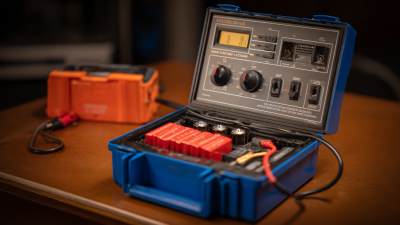
A battery tester charger is an essential tool for managing batteries. Inside, several key components work together to ensure proper functionality. At its core, it contains a power supply that delivers electricity to the battery. This power supply transforms AC voltage into DC voltage, which is necessary for charging.
Additionally, the device includes a microcontroller. This component monitors the battery’s status and adjusts the charging process accordingly. It ensures batteries are not overcharged, which can lead to damage. A set of connectors is also present, allowing users to easily link different battery types.
While many understand these components, some may overlook their importance. Neglecting regular checks can lead to battery failure. It’s vital to appreciate how each part contributes to the overall effectiveness of the tester charger. Awareness may improve usage and lifespan.
How to Use a Battery Tester Charger Effectively
Using a battery tester charger can greatly enhance your battery management. It helps you assess the condition of your battery effectively. To start, connect the device properly. Make sure the terminals are secure. A loose connection can lead to inaccurate readings.
When using the tester, observe the LED indicators. They provide immediate feedback on the battery's health. If the lights flash differently, note down the patterns. This can tell you if the battery is good, weak, or needs replacement. Sometimes, the readings are not clear. Don’t hesitate to test multiple times.
Keep in mind that different batteries may respond differently. Some types may need specific settings on the tester. Familiarize yourself with your battery type. Overlooking these details can lead to misunderstandings. Regular use of the tester helps you learn the nuances. Mistakes are part of the process, but they lead to better handling skills over time.
Types of Battery Tester Chargers: Which One to Choose?
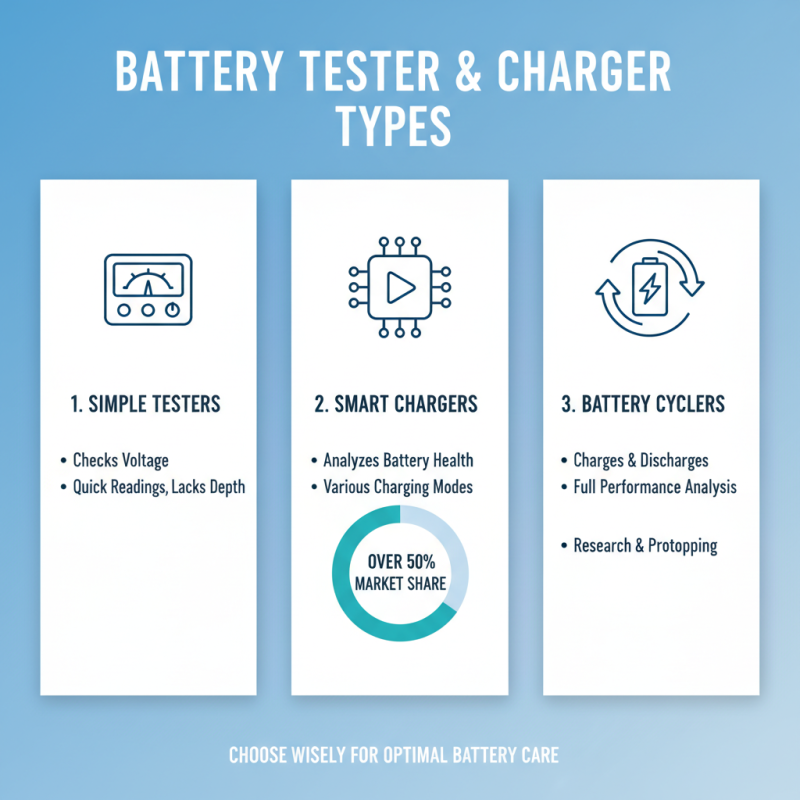
When selecting a battery tester charger, understanding the types available is crucial. There are primarily three types: simple testers, smart chargers, and Battery Cyclers. Simple testers check the voltage of a battery. They give quick readings. However, they often lack depth. Smart chargers, however, can analyze battery health. They also offer various charging modes. These types are widely used, with market reports indicating that smart chargers represent over 50% of sales.
Battery cyclers are another option. They serve multiple functions: charging, discharging, and cycling batteries for optimal performance. Data shows that around 30% of professionals prefer battery cyclers. However, the complexity can be a downside for casual users. Moreover, many don't understand how to fully utilize these devices. Testing your battery regularly is vital. Ignoring it can lead to reduced battery lifespan.
Additionally, consider your specific needs. If you deal with multiple battery types, versatility matters. Smart chargers often have presets for various chemistries. But, they can be pricier than simpler models. Battery cyclers can help extend battery life but require proper care. Reflect on these factors when choosing. Each type of charger has its pros and cons. In the end, pick what fits your usage best.
Understanding the Testing Process: How a Battery Tester Works
A battery tester charger is a handy tool. It checks the voltage and capacity of various batteries. Understanding how it works can help avoid unexpected failures.
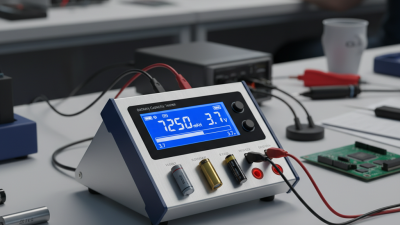
The testing process begins with connecting the tester to the battery. This often involves clamps or probes. The tester measures the battery's voltage. Next, it evaluates the charge capacity. You may see a display that gives readings. These indicate the state of your battery. A fully charged battery has a different reading than a depleted one.
Tips: Always ensure connections are secure. Improper connections can yield inaccurate readings. Keep the tester clean for better longevity. If your batteries frequently show low tests, reflect on your charging habits. You might consider a Battery Tester For Deep Cycle Battery for frequent assessments. Regular testing is key to battery health. If you find consistently low readings, it may be time to replace the battery.
Common Issues and Solutions When Using a Battery Tester Charger
Battery tester chargers are useful tools for assessing battery health and recharging batteries. However, users often face issues. For instance, improper connections can lead to incorrect readings. Ensure the clamps are secured. Loose connections can cause a failure to charge properly.
Another common problem is compatibility. Not all testers work with every battery type. Check specifications before use. If results are inconsistent, you may need a different charger. Overheating is another concern. If the device gets too hot, stop using it. Allow cooling before trying again.
Some users overlook the importance of routine maintenance. Dust and corrosion can affect performance. Regular cleaning can enhance reliability. Always read the manual for troubleshooting tips. Understanding how to address these issues can prolong the lifespan of both the tester and the batteries.
Battery Tester Charger Efficiency Comparison
Safety Precautions for Using Battery Tester Chargers
Using a battery tester charger can be straightforward, but it comes with important safety precautions. Before starting, always inspect the device for any signs of wear or damage. Do not use a damaged tester. It could lead to inaccurate readings or even an electric shock. If it looks poor, don’t risk it.
When working with High Voltage Battery Testers, wear protective gear. Gloves and safety goggles are essential. They protect against accidental sparks or battery acid. Proper ventilation is also important. Ensure you work in an area with good airflow. This mitigates the risk of fumes that can come from batteries.
While performing tests, avoid touching the terminals. Proximity can lead to unintended shorts. Keep tools away from the battery’s terminals as well. Always follow the user manual to get reliable results. Testing may not be complex, yet safety isn't negotiable. Reflect on these precautions each time you examine batteries. Proper care ensures a safer experience.
Enhancing EV Performance: Insights from Battery Test Systems Analysis and Industry Reports on Charge Discharge Dynamics
The electrification of transportation has emphasized the critical role of battery performance in electric vehicle (EV) development. Recent analyses of charge and discharge dynamics highlight the intricate relationship between battery efficiency and vehicle performance. According to industry reports, optimizing these dynamics can lead to significant enhancements in energy retention and power output, crucial factors for both consumer satisfaction and regulatory compliance.
To effectively analyze and enhance EV battery performance, high-capacity battery testing systems have become indispensable. The 18U cabinet, designed specifically for such tasks, provides up to 32 channels, facilitating extensive testing that can simulate a variety of driving conditions. This model supports battery voltages ranging from 30V to 120V, enabling rigorous evaluations across different battery types and configurations. Such flexibility allows researchers and engineers to comprehensively understand charge-discharge behaviors and their impact on overall vehicle efficiency.
Furthermore, industry data indicates that advancements in battery testing methodologies can lead to improvements in battery life cycle performance by as much as 20%. This emphasizes the importance of investing in sophisticated testing technologies, as they are foundational to developing EV batteries that not only meet current market demands but also pave the way for future innovations in sustainable transportation.
FAQS
: The service aims to provide users with helpful information. Users can access various resources easily.
Anyone seeking assistance can use it. Students, professionals, and curious individuals all find it useful.
No, the service is free for all users. Accessing information doesn’t require any payment.
You can access resources through the website. Just search for the topic you need help with.
Information varies widely, including educational content and practical tips. Users can explore numerous subjects.
If you can't find specific information, try different keywords. Sometimes, rephrasing helps discover answers.
While the information is reviewed, users should verify critical details. Cross-referencing is a good practice.
Yes, some resources may be limited or outdated. Users should remain critical of what they read.
New content is added regularly, but it’s not always immediate. Updates can take time; be patient.
Conclusion
A Battery Tester Charger is a crucial tool designed to assess and maintain the health of various types of batteries. It combines testing and charging functionalities, allowing users to not only check the voltage and overall condition of a battery but also to recharge it if needed. The key components typically include measurement circuits, charging ports, and display interfaces that provide essential information about battery performance.
Using a Battery Tester Charger effectively involves understanding its components and the testing process, which typically measures the battery's charge capacity and informs users of any issues. Different types of battery tester chargers cater to various battery sizes and types, making it important to choose the right one for your needs. Additionally, it's essential to follow safety precautions to ensure safe operation. Addressing common issues that arise during use can further enhance the longevity and reliability of both the tester and the batteries it services.

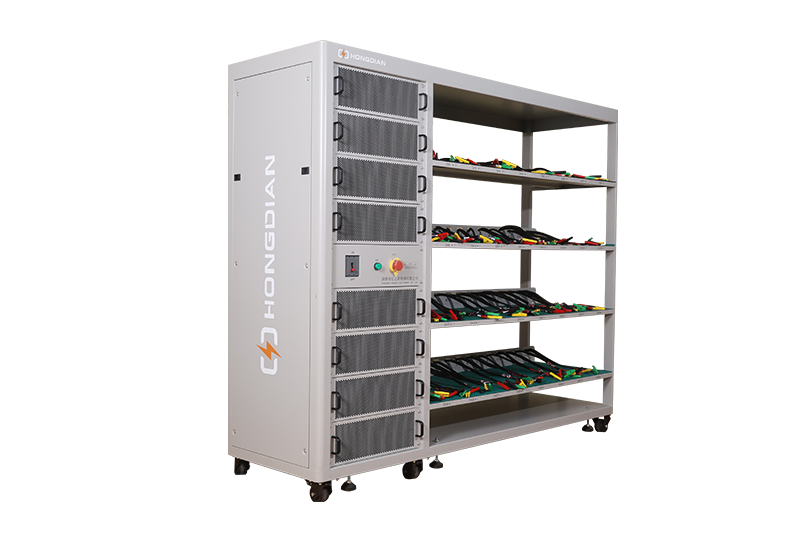 32/48 channel battery charging and discharging test integrated battery cabinet
  40 channel battery charging and discharging test integrated battery cabinet
  64 channel battery charging and discharging test integrated battery cabinet
 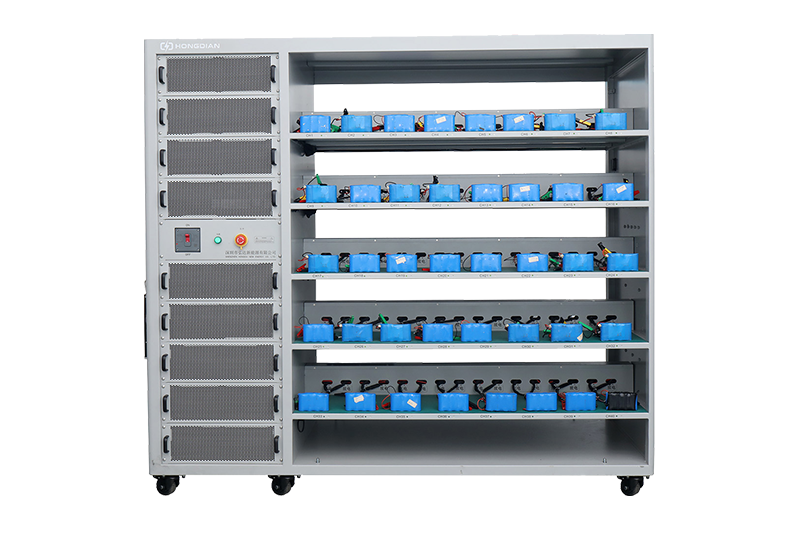 80 channel battery charging and discharging test integrated battery cabinet
 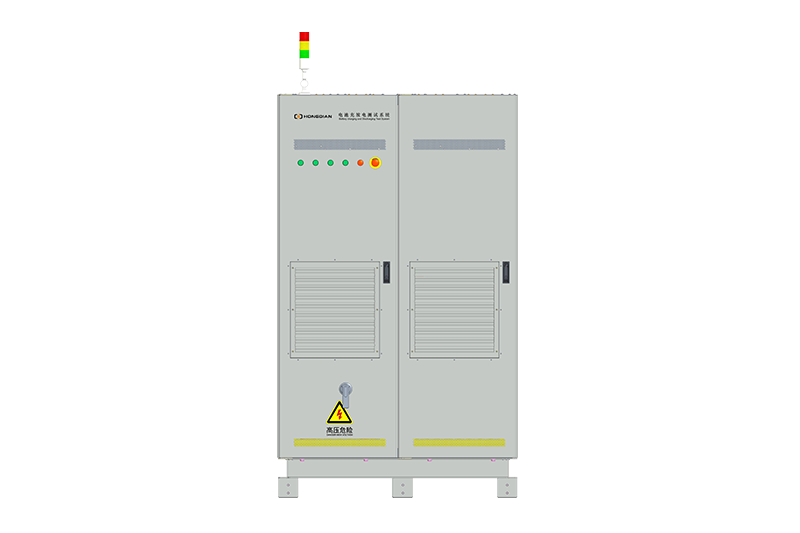 1000V-1500V High Voltage High Current Battery Testing System
 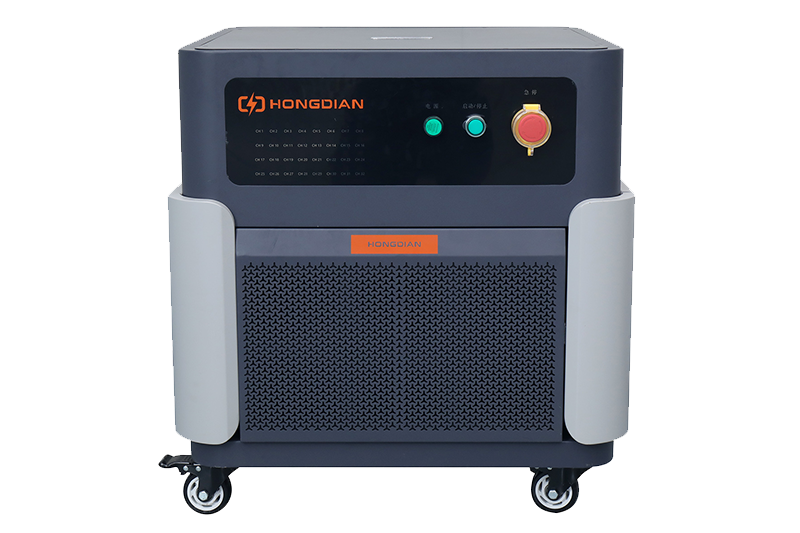 High-Precision Battery Testing System for Enhanced Performance Monitoring 30V/60V/100V/120V
 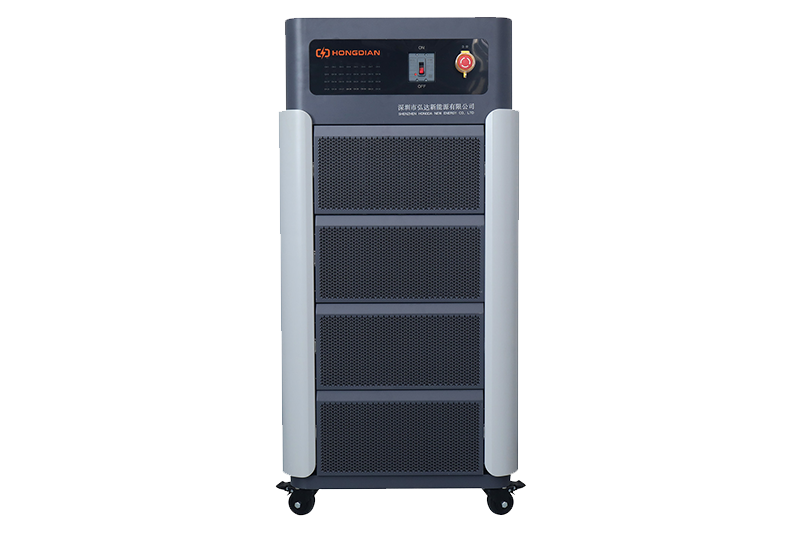 High-Precision Battery Charge Discharge Test Systems for EV Manufacturers
 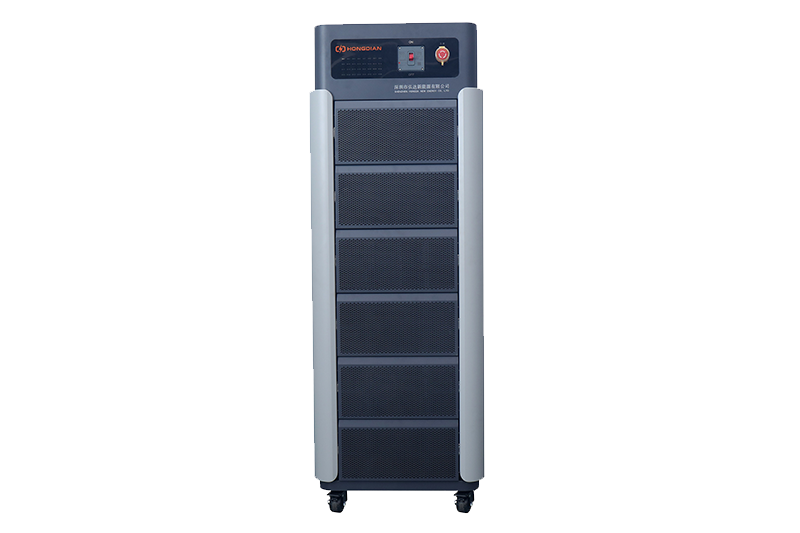 Precision Battery Test Racks for Cell Capacity & Internal Resistance Measurement
  Multi-Channel Battery Testing Equipment for Parallel Performance Analysis