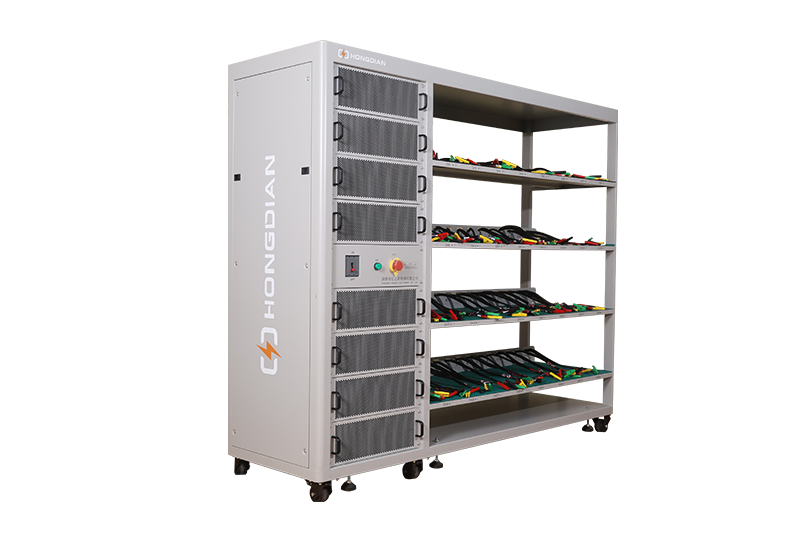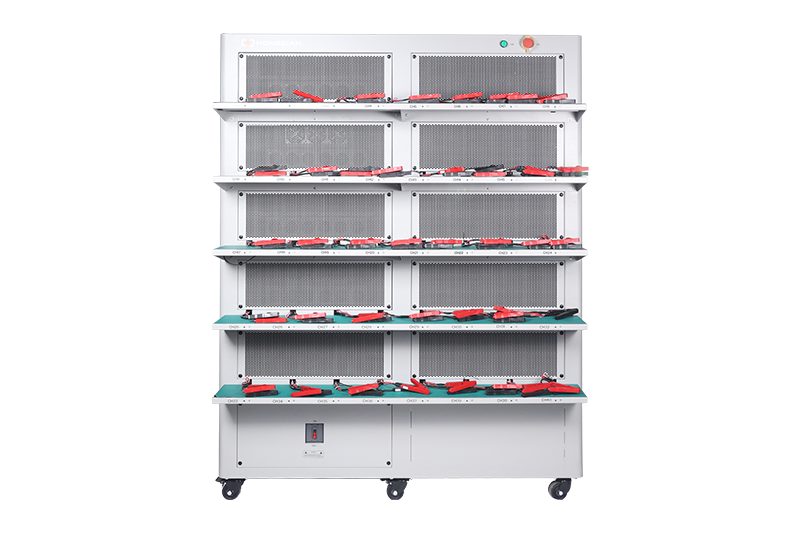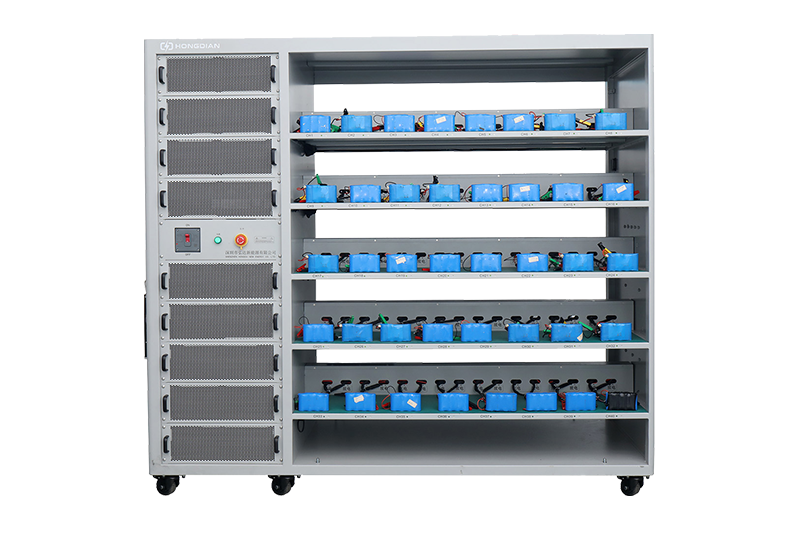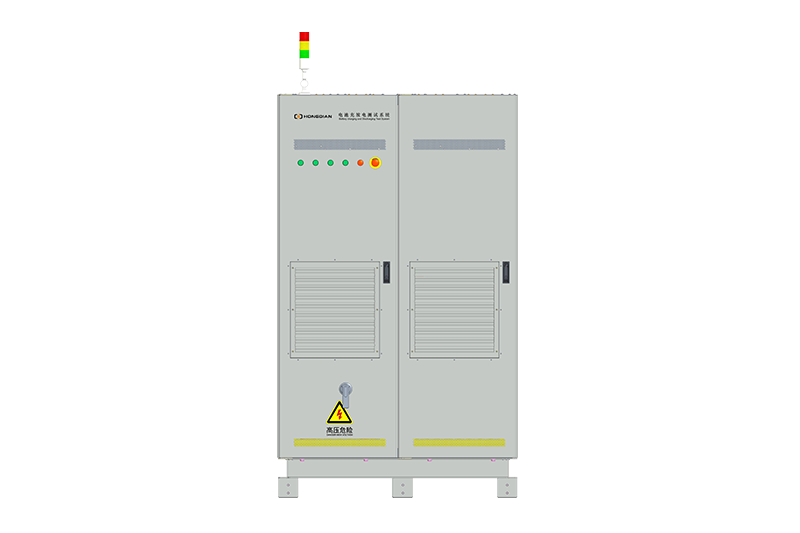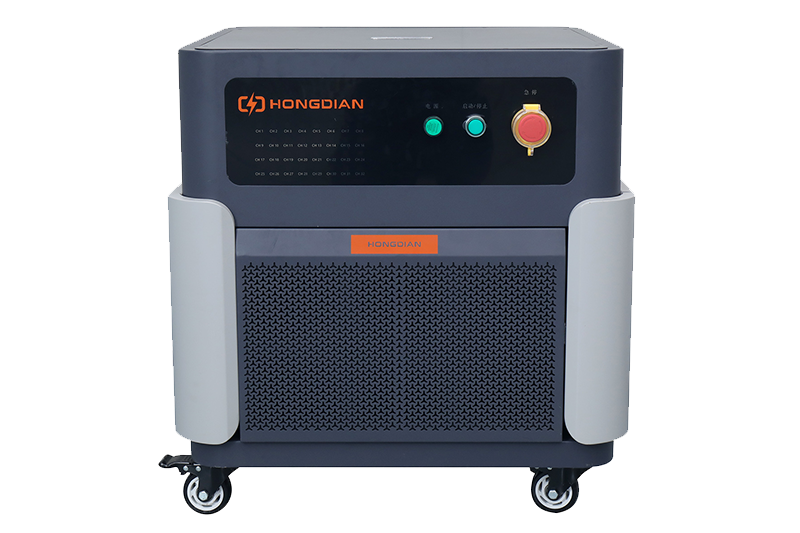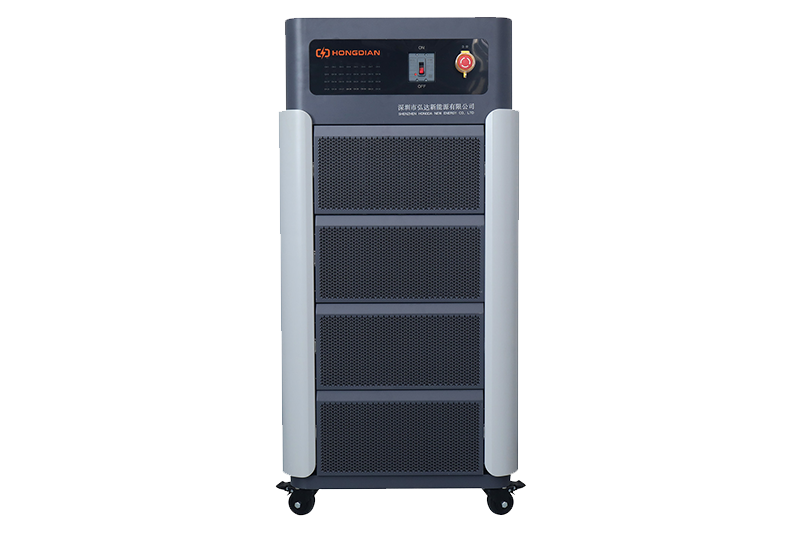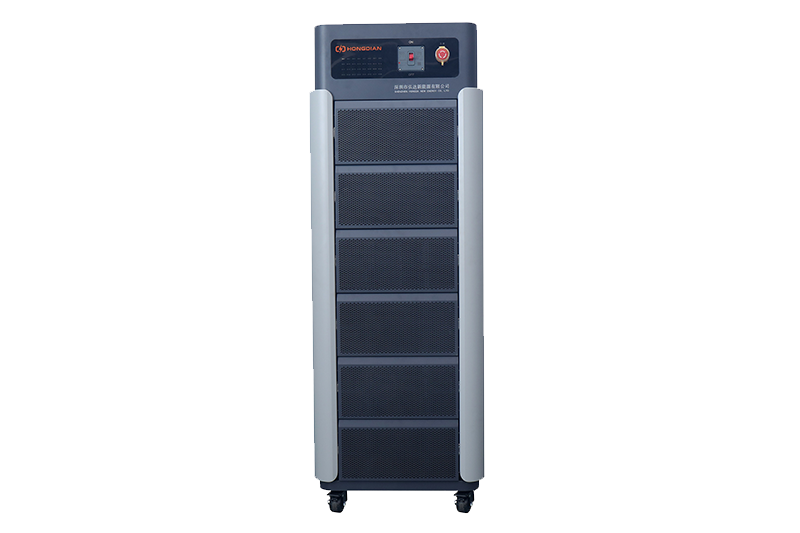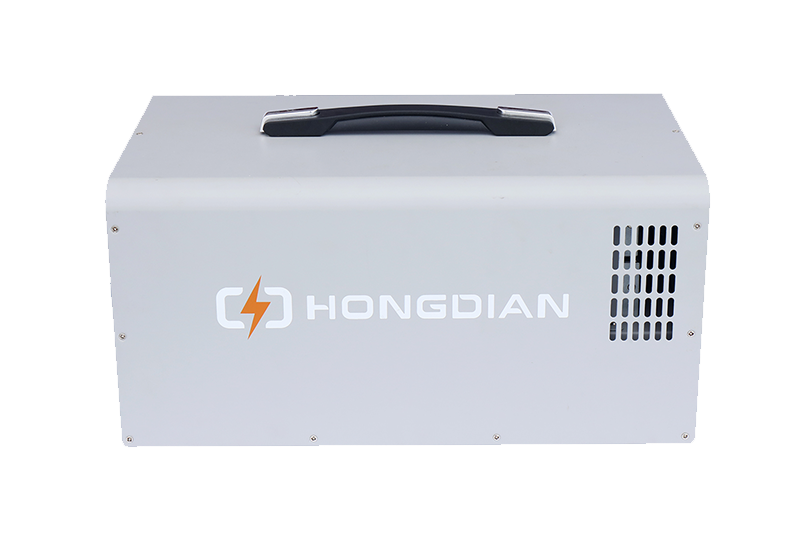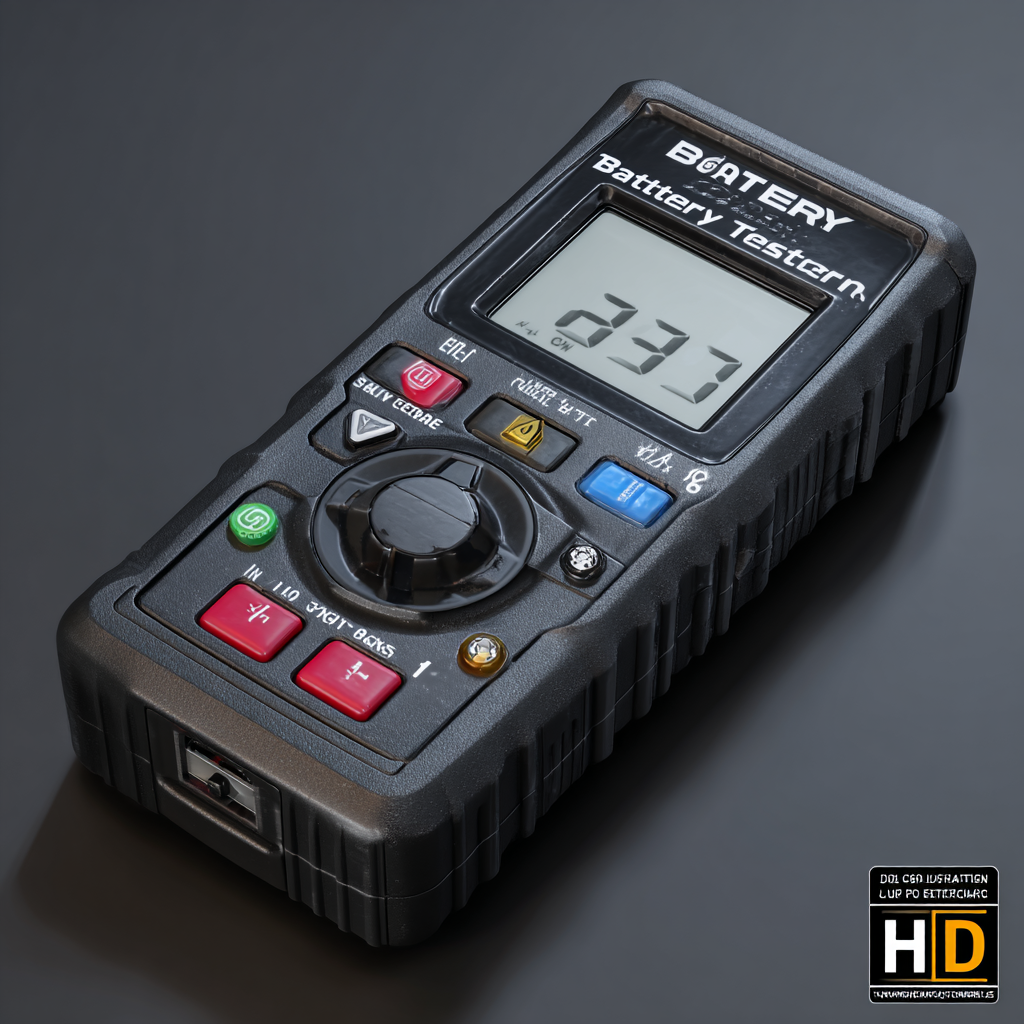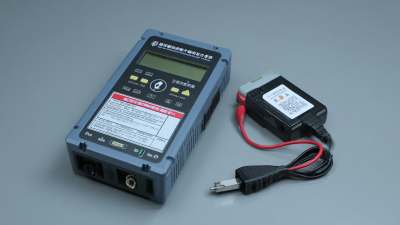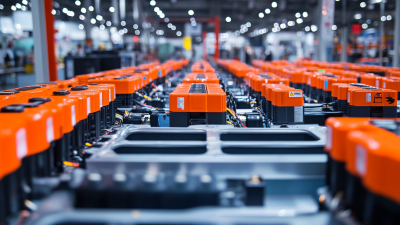
32/48 channel battery charging and discharging test integrated battery cabinet
40 channel battery charging and discharging test integrated battery cabinet
64 channel battery charging and discharging test integrated battery cabinet
80 channel battery charging and discharging test integrated battery cabinet

You know, as the energy landscape keeps changing all the time, we really can’t overlook just how important high-quality Battery Cell Testers are. I mean, the global battery market is set to explode to around 400 billion dollars by 2028! That’s partly because everyone is jumping on the electric vehicle bandwagon and there’s a huge push for renewable energy storage. So, making sure our battery systems are reliable and work efficiently is a big deal. Just look at Shenzhen Hongda New Energy Co., Ltd. They’ve really made a name for themselves, serving over a thousand customers around the globe. Their dedication to quality and innovation is really what sets them apart. If you want to make sure your batteries perform well and last long, having a trustworthy Battery Cell Tester is a must. It’s crucial for global procurement and really helps boost customer satisfaction and trust. Plus, investing in solid testing equipment not only keeps your products in tip-top shape but also meets industry standards—benefiting both manufacturers and consumers in the end.
You know, in our hyper-connected world, getting Battery Testing right is super important for keeping global supply chains running smoothly. Battery manufacturing is booming—it's expected to hit over200 billion dollars by 2027, according to a report I came across from Fortune Business Insights. So, making sure those battery cells are top-notch is absolutely crucial. If there are any flaws in battery quality, we could be looking at disastrous failures, pricey recalls, and some serious hits to reputations. That's where effective battery cell testers come in—they help companies spot defects and make sure they’re sticking to industry standards, which shields their supply chains from unexpected hiccups.
And let's not forget about the rising demand for electric vehicles (EVs) and renewable energy storage options! The International Energy Agency (IEA) suggests that the global fleet of EVs could actually go beyond 145 million by 2030. So, it's clear that having consistent and reliable batteries isn’t just a nice-to-have anymore—it’s a must! By putting solid testing procedures in place, companies can lower risks, boost their supply chain efficiency, and ultimately provide a lot more value to their customers. Reliable battery cell testers are really leading the charge in this shift, connecting manufacturing with what the end users actually want. It's an exciting time!
You know, in today's fast-moving energy scene, how reliable and efficient our battery tech is really makes a big difference for companies around the globe. It turns out that demand for batteries is set to skyrocket as electric vehicles and renewable energy storage become the norm. I mean, check this out: forecasts suggest that the global battery market will leap from $100 billion in 2020 to over $200 billion by 2026! This growth is largely thanks to cool advancements in battery chemistry and better energy density.
But here's the kicker: batteries, especially in critical uses, have about a 20% failure rate. So, guaranteeing high quality through effective testing has never been more important.
To tackle these challenges, using a high-quality battery cell tester is key. These devices give super accurate readings of voltage, capacity, and internal resistance, which helps manufacturers spot any issues before their products hit the shelves. And let’s not forget, battery performance isn’t just a concern for manufacturers; if batteries fail, the financial hit and safety risks can be huge! That’s why having solid testing procedures in place is crucial.
As industries shift towards more sustainable options, embracing advanced testing tech will be vital for staying ahead of the curve and making sure procurement strategies really meet performance goals.
So, when we're talking about global procurement, you can't overlook how crucial it is to do a cost-benefit analysis for battery cell testing. I mean, take a look at a recent report from the International Energy Agency (IEA)—it shows that the need for efficient battery systems is really set to skyrocket, with a compound annual growth rate (CAGR) of 24% heading into 2027. This means that having reliable battery cell testers is super important. They help ensure that battery cells are up to snuff before they even hit the supply chain. It’s like a smart safety net that keeps us from dealing with defective products, which can really hurt a company’s wallet and reputation in the long run.
Investing in top-notch battery cell testers not only boosts product reliability but also aligns with sustainability goals. There's this interesting study from the Battery Innovation hub that found nearly half of battery failures could be traced back to lousy testing methods. With the right testing tech, companies can nip potential issues in the bud during production, which ultimately can save big bucks on recalls and managing waste. If procurement leaders really get a handle on the long-term financial benefits, they can totally justify that first splurge on testing gear to make their operations more efficient and eco-friendly.
You know, the quality of batteries really plays a big role in how sustainable and environmentally compliant our energy systems can be, especially now that everyone's jumping on the electric vehicle (EV) bandwagon. A report from BloombergNEF claims that by 2040, we're looking at a whopping 3,400 GWh demand for EV batteries. That’s a huge jump! And with that, we definitely need some solid battery testing to make sure everything’s running smoothly. High-quality battery cells do more than just boost the performance and lifespan of EVs—they also help cut down waste, which is a major issue when it comes to dealing with old batteries. By making sure these battery cells meet tough quality standards, we can cut down on inefficiencies and make it easier to recycle them later, creating a more sustainable cycle overall.
And let’s not forget about the whole environmental compliance thing. The International Energy Agency (IEA) points out that if we don’t manage batteries right, we can really mess up our environment with issues like soil and water contamination. That’s where effective battery cell testers come in—they gather super important data on how batteries perform, helping manufacturers catch defects early on and stick to those environmental compliance guidelines. So, by doing their part, they not only boost their own sustainability but also support global efforts to slash carbon emissions from energy storage technologies. It’s all interconnected, really!
You know, the world of battery testing tech is really changing fast, and it's about to have a huge impact on the electric vehicle (EV) sector. With the demand for better energy storage solutions really heating up, we’re seeing new battery chemistries and innovative methods popping up as key players. A recent report even said that the global market for EV battery testing was valued at around $1.2 billion in 2024 and is expected to skyrocket with a growth rate of 15.1% every year from 2025 to 2034. That just shows how crucial advanced battery cell testers are becoming, especially with all these new developments coming into play.
On top of that, the introduction of AI and machine learning into battery management systems is pretty amazing. These tools are making battery testing processes way more efficient by allowing for real-time monitoring and predictive analysis, which really helps with battery lifecycle management. And speaking of innovations, the current advances in lithium-ion battery tech are projected to hit a whopping $380 billion by 2034, which just highlights how important precise testing is for safety and efficiency. Plus, with breakthroughs in sensor tech and how it's integrated into battery testing protocols, we’re getting a sneak peek into a future where smarter, more automated testing solutions are the norm and will really optimize global procurement strategies.
You know, in today’s fast-paced industrial world, having solid testing solutions is super important for nailing those global procurement strategies. Just look at some case studies—they really show how companies can step up their game with efficient battery cell testing. A great example is this recent breakthrough by a military tech institute working on a NATO project. They’ve really upped their game by integrating comprehensive engineering requirements management, which has helped them to comply better and streamline supply chain processes, making sure that their equipment meets those tough specifications.
And let’s not forget about the energy sector! Take the leading wind energy provider. They’ve really driven home the point that testing solutions play a key role in boosting supply chain sustainability. By bringing in some innovative management practices during their procurement process, they’ve managed to cut down on waste and ramp up their operational efficiency. This not only helps them lower their ecological footprint but also supports their growth goals in a tough market. When you think about these examples, it’s crystal clear that adopting advanced testing strategies is crucial for organizations that want to thrive in this global procurement landscape.
When it comes to battery testing, precision and efficiency are crucial for achieving accurate measurements of cell capacity and resistance. To optimize your testing processes, investing in high-quality test racks is essential. One standout option is the 30U cabinet, specifically designed for industrial-grade battery testing. With its impressive capacity, the 30U cabinet supports a voltage range from 60V to 150V and can accommodate up to 48 channels, allowing for simultaneous testing of multiple batteries.
The advantages of using a precision test rack like the 30U extend beyond mere capacity. Its advanced design ensures that each test is conducted with utmost accuracy, minimizing the likelihood of errors that can arise from using outdated or less sophisticated testing equipment. Furthermore, the ability to run multiple tests in parallel not only saves time but also increases throughput, making it an indispensable tool for laboratories and manufacturing facilities aiming to enhance their battery testing efficiency.
By choosing the right equipment, such as the 30U cabinet, organizations can streamline their testing workflows. This optimization ultimately leads to better product quality and reliability, crucial factors in the competitive landscape of battery manufacturing.
: The global battery market is projected to grow from $100 billion in 2020 to over $200 billion by 2026.
Battery testing is crucial because it ensures high standards of quality, helps identify defects before products reach the market, and reduces the estimated 20% failure rate in critical applications.
High-quality battery cells enhance the performance and lifespan of electric vehicles and reduce waste, contributing to a more sustainable lifecycle and improved recyclability.
Improper battery management can lead to severe environmental issues, including soil and water contamination.
Effective battery cell testers provide critical data on battery performance, allowing manufacturers to detect defects early and adhere to environmental compliance guidelines.
Poor battery reliability can lead to significant financial losses and safety risks, underscoring the necessity for rigorous testing protocols.
A military technology institute involved in a NATO project improved compliance and supply chain optimization by integrating comprehensive engineering requirements management.
By adopting innovative testing solutions, energy sector companies can reduce waste, enhance operational efficiency, and minimize their ecological footprint.
Global electric vehicle battery demand is projected to reach 3,400 GWh by 2040.
Aligning procurement strategies with battery performance expectations is vital for maintaining a competitive edge and ensuring operational sustainability.