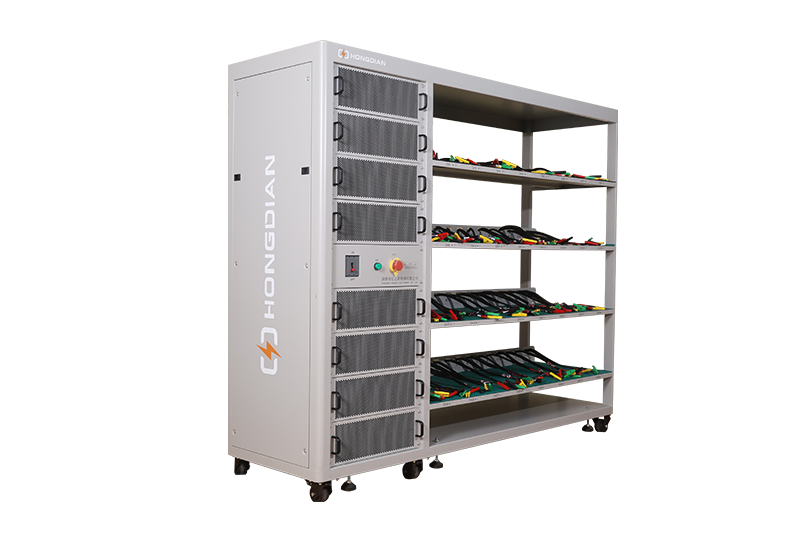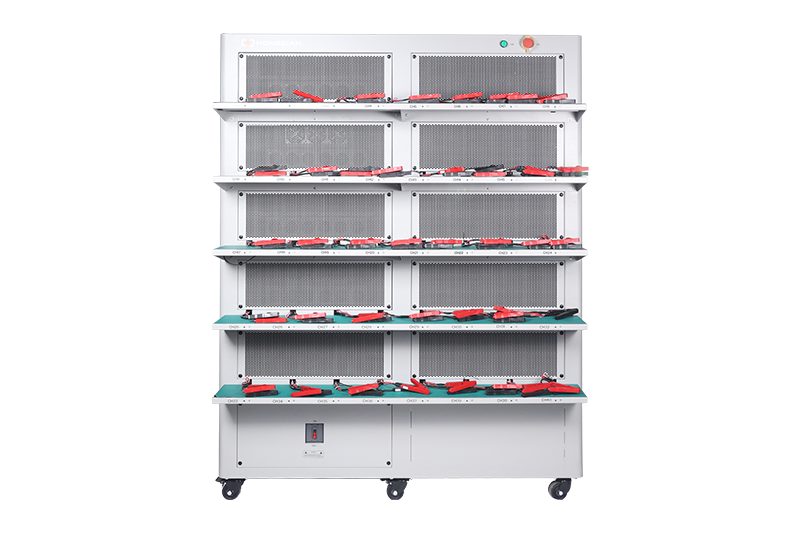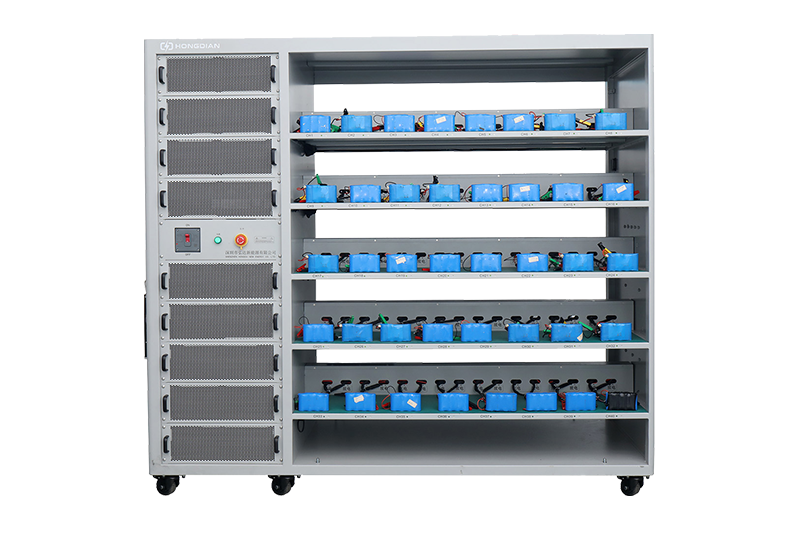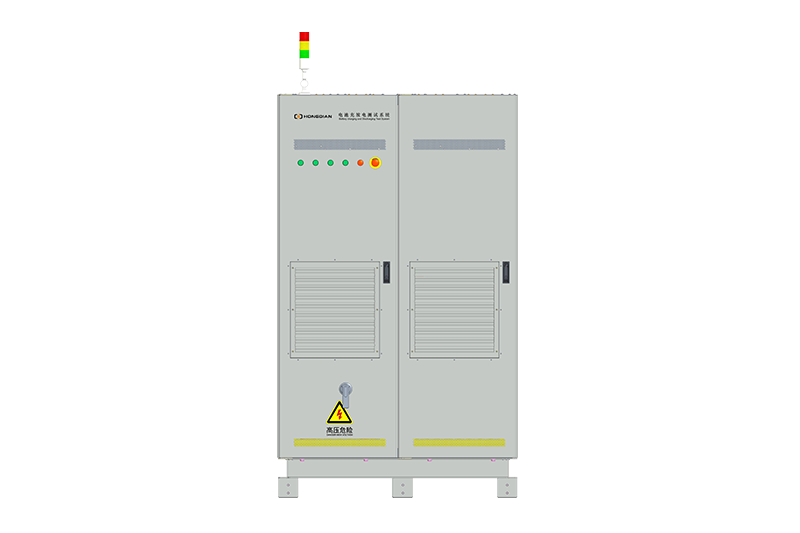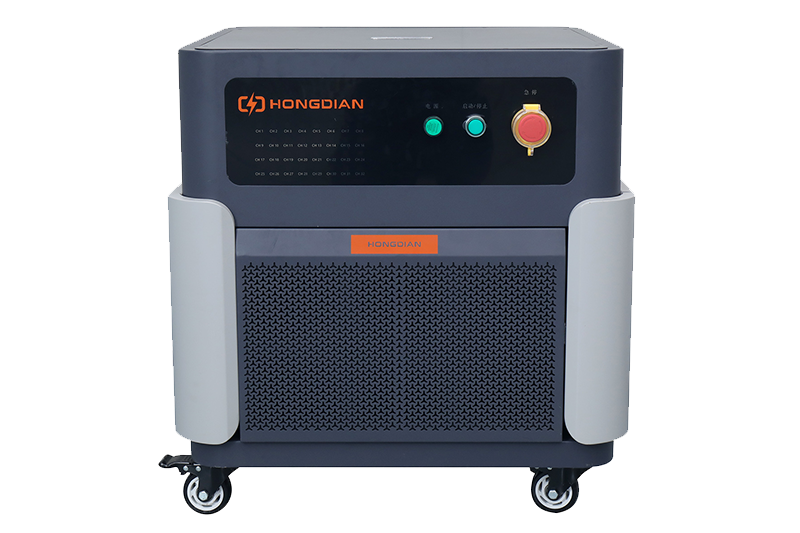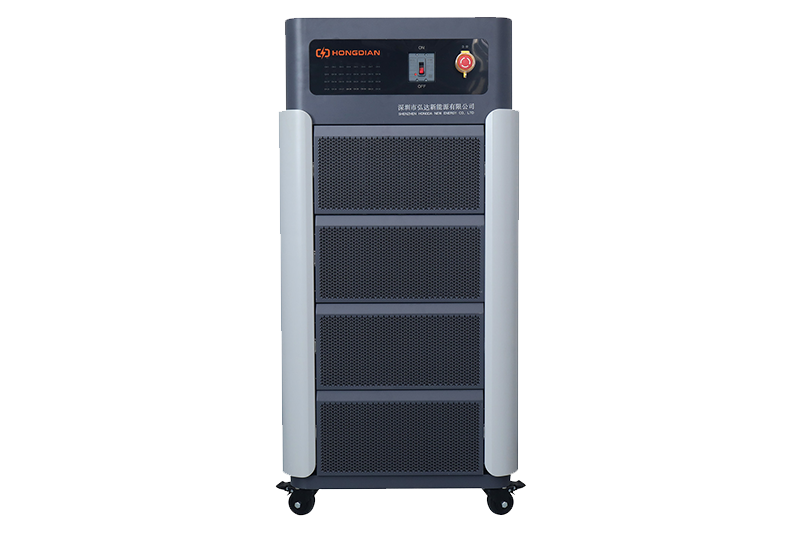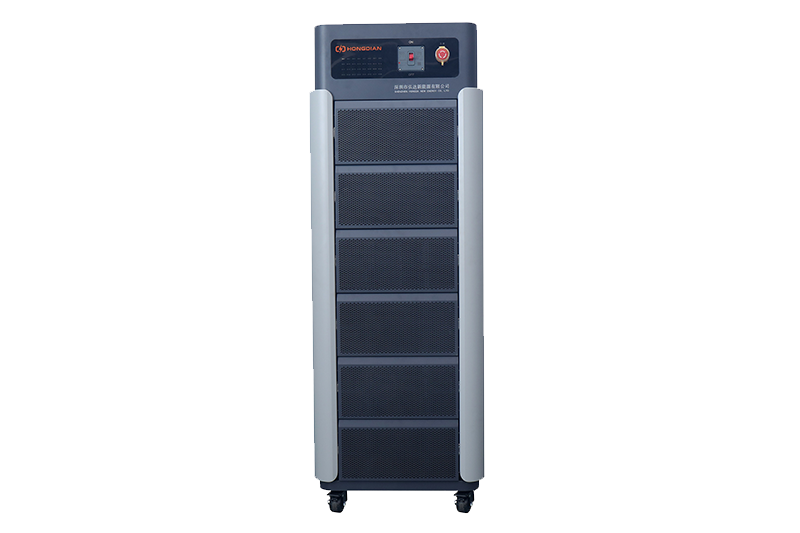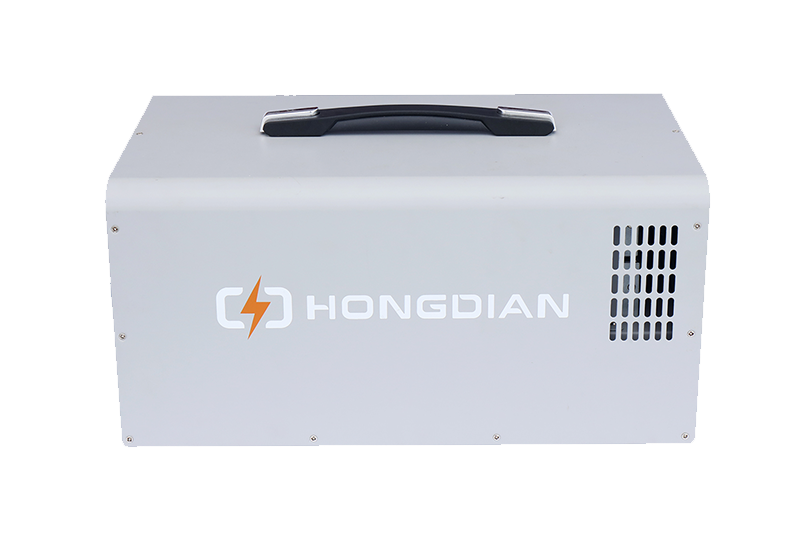
32/48 channel battery charging and discharging test integrated battery cabinet
40 channel battery charging and discharging test integrated battery cabinet
64 channel battery charging and discharging test integrated battery cabinet
80 channel battery charging and discharging test integrated battery cabinet

Picking out the right Battery Monitor can really make a big difference when you're trying to manage your energy better. Honestly, understanding what you actually need is super important here. Different setups call for different features—are you after real-time updates, or do you need to look back at past data? Also, think about how much power you're using and how often you have to recharge those batteries.
Don’t forget to consider the size and type of your batteries too. Some monitors work like a charm with lead-acid batteries, while others are better suited for lithium ones. Compatibility is everything. It’s a good idea to do a bit of homework on brands like Victron Energy and Renogy—they’ve got a range of options with features that suit different folks.
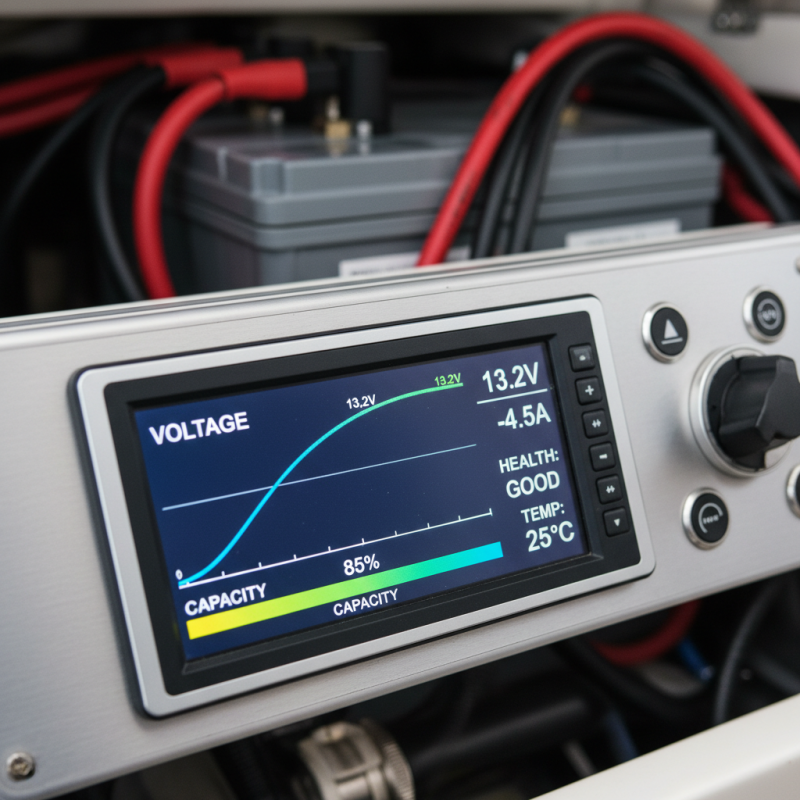
A solid Battery Monitor can give you all kinds of useful info—like the health of your batteries, their voltage, and how much capacity is left. But, not every device will tick all your boxes. Some people find certain monitors a bit overwhelming or complicated. So, pick one that matches your tech comfort level. At the end of the day, taking the time to choose wisely will help you manage your energy more smoothly—and give you some peace of mind too.
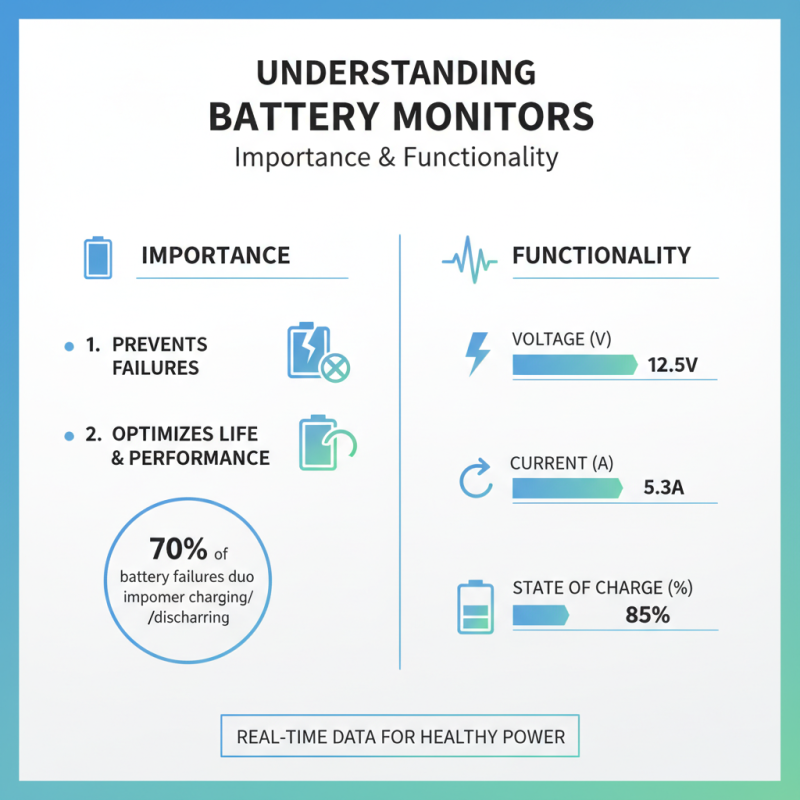
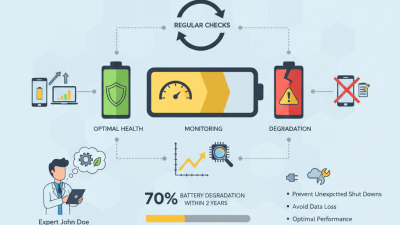
Battery monitors play a crucial role in maintaining the health of your power systems. They provide real-time data on voltage, current, and state of charge. This information is vital for optimizing battery life and performance. According to industry reports, approximately 70% of battery failures are due to improper charging and discharging. A reliable monitor aids in preventing such issues.
Different types of battery monitors are available, each serving specific needs. Some focus on voltage readings, while others provide in-depth analysis of usage patterns. A comprehensive report from the Battery Management Conference highlighted that systems with advanced monitoring can increase battery lifespan by up to 25%. This shows the immense benefits of investing in a quality monitor.
However, users sometimes overlook the necessity of regular updates and recalibrations. A well-functioning monitor may give inaccurate readings if not maintained properly. It's essential to assess whether the device is suitable for your specific battery type. This decision can significantly affect performance and reliability. Understanding the functionality of battery monitors ensures optimized energy management.
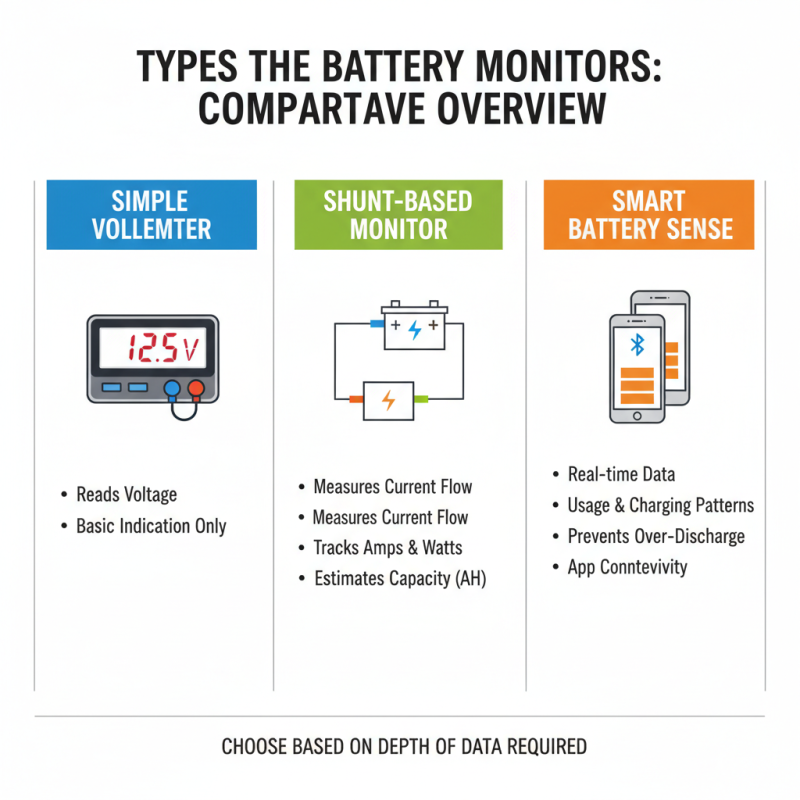
When selecting a battery monitor, understanding the types available helps greatly. A simple voltmeter can tell you the voltage, but lacks depth. More advanced options provide real-time data. They can track usage, charging patterns, and help prevent over-discharging.
Consider the comparison between shunt-based monitors and smart monitors. Shunt monitors are reliable, measuring current flow directly. These monitors can handle high currents and show accurate results. Smart monitors often connect to an app. They offer insights through your smartphone, appealing for tech enthusiasts. Yet, these may require updates and have connectivity issues.
When examining Battery Tester For Deep Cycle Battery options, keep use cases in mind. Think about whether you need basic functionality or advanced features. Some users prefer simplicity, while others want detailed analytics. Reflect on what best suits your lifestyle. Understanding your true needs creates a more informed choice.
When selecting a battery monitor, key features are crucial for effective performance. One important factor is voltage measurement accuracy. According to industry data, monitors with a 0.1V accuracy can significantly enhance your understanding of battery health. Accurate readings ensure you can prevent overcharging or deep discharging, both of which shorten battery lifespan.
Another vital feature is the ability to track state of charge (SOC). Research indicates that a monitor displaying SOC can help users manage their energy use effectively. A well-designed monitor typically includes a clear display, showing real-time metrics. You want something that communicates well, avoiding complex jargon. Ease of use is paramount for non-experts.
Consider battery capacity as well. Many monitors only cover up to 200Ah, limiting their use with larger systems. If you have a larger battery array, look for monitors capable of handling 500Ah or more. That added capability can prevent unexpected outages, as continuous monitoring becomes essential. Remember, not all monitors are created equal; some may lack update features or connectivity, leaving users in the dark about vital battery performance data.
| Feature | Description | Importance |
|---|---|---|
| Display Type | LCD or LED display for easy visibility | High |
| Voltage Range | Ability to monitor various voltage levels | High |
| Current Measurement | Tracks the amount of current flowing in real time | Medium |
| Data Logging | Stores historical data for analysis | Medium |
| Connectivity | Options for Bluetooth or Wi-Fi to sync with apps | High |
| Alert System | Notifications for low voltage or high current | High |
| User Interface | Ease of use and navigation through settings | Medium |
Choosing the right battery monitor is crucial for ensuring optimal performance. Compatibility with your battery system is key. Different systems have distinct requirements. Make sure your monitor supports the voltage and chemistry of your battery. It’s important to check specifications to avoid mismatches.
Tips for checking compatibility include examining the voltage range supported by the monitor. Additionally, consider the types of batteries you use. For lithium-ion, ensure that the monitor can handle specific charge and discharge rates. High Voltage Battery Tester can help provide accurate readings for high-capacity systems.
Look out for any special features that your system may need. Some monitors offer Bluetooth connectivity for remote monitoring. Others provide real-time data logging. Ensure that these features align with your monitoring needs. If you find a monitor without these capabilities, reflect on whether it's the right choice for you. Compatibility extends beyond just connection; it’s about functionality.
Budget considerations play a vital role when choosing a battery monitor. A well-considered price range can help users find the perfect balance between features and cost. According to a survey by Battery World, 57% of users prefer monitors priced between $50 and $100. This bracket often includes essential features like voltage readings and even basic alerts for battery health.
While searching for a suitable monitor, it's crucial to assess the long-term value. Many less expensive options might lack critical functionalities. Some users might regret not investing a bit more upfront. Features like data logging and Bluetooth connectivity can be missed when sticking strictly to a budget. A comprehensive report by Energy Research Group indicates that the best-performing monitors are typically located at the midpoint of the price spectrum.
Practically, many enthusiasts find it hard to justify higher expenses, yet they often overlook functionality. For instance, an Emergency Light Battery Tester can make a substantial difference in identifying potential issues before they arise. Users must weigh current needs against future requirements. Evaluating multiple products against user reviews and expert opinions is essential to ensure reliability and accuracy in monitoring battery health.
When choosing a battery monitor, installation and usability are key aspects to consider. A well-designed monitor should provide clear readings without the need for extensive setup. Many users prefer plug-and-play devices that are easy to integrate into their existing systems. According to a report by the Battery Monitoring Services Association, 70% of users prioritize simplicity over advanced features. Investing in an intuitive monitor can significantly reduce installation time.
Moreover, usability directly impacts ongoing maintenance. A tool that allows for quick data access can enhance user experience. Some devices offer smartphone connectivity, enabling easy monitoring on the go. Despite the benefits, not all monitors deliver reliable performance. A study from TechInsights found that nearly 25% of users experienced incorrect readings from poorly designed monitors. This discrepancy can lead to mismanagement of battery life, highlighting the importance of quality.
Testing with tools like a battery tester is crucial. Users should regularly check the performance of their monitors. Compatibility with different battery types is another essential factor. Choose a device that can adapt and accurately read various battery chemistries. This flexibility ensures that you can monitor changes effectively. The right choice in battery monitors can optimize the efficiency of your setup.
When seeking the ideal battery monitor, research is essential. Trusted brands focus on accuracy and reliability. Look for monitors that offer clear, easy-to-read displays. Simplicity in design often leads to better user experience. Features such as voltage and current readings are crucial. They provide insights into your battery's health and status.
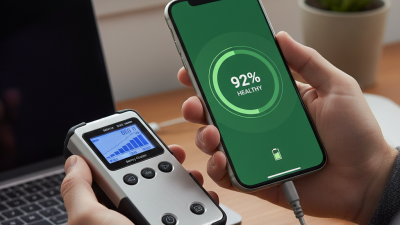
Consider models with smartphone connectivity. This allows for convenient monitoring on the go. Some monitors offer alerts for voltage drops. This can prevent damage to your battery. Read user reviews for real-life experiences. This will help you gain valuable insights. Pay attention to common feedback about durability and accuracy.
Reflect on your specific needs. Do you require basic monitoring or advanced features? Your choice should align with how you use your battery system. Not all monitors cater to every requirement. Testing different models could highlight valuable differences. Each choice has its pros and cons. Evaluating your options thoughtfully can lead to better long-term decisions.
In today's rapidly evolving energy landscape, maximizing efficiency and longevity of battery systems is paramount. Industry reports emphasize the critical role of advanced testing systems in achieving these goals. One such innovative solution is the 64 Channel Battery Charging and Discharging Test Integrated Battery Cabinet, designed for comprehensive energy feedback testing. This system operates as a computer-controlled energy feedback power testing setup, enabling precise measurement and management of battery performance during both charging and discharging cycles.
Data from recent industry studies indicate that effective management of charging and discharging processes can dramatically extend battery life. For instance, optimizing the depth of discharge (DoD) and ensuring proper charge cycles can enhance overall energy sustainability. According to findings, implementing rigorous testing systems can improve energy usage efficiency by up to 30%, contributing to more sustainable practices within the industry. By leveraging cutting-edge technology, such as the integrated cabinet, organizations can gain insights that lead to refined energy management strategies.
Furthermore, the ability to monitor performance across multiple channels simultaneously allows for detailed analysis of battery behavior under varying conditions. This feedback mechanism is essential for identifying potential issues before they escalate, ultimately leading to improved reliability and reduced operational costs. As energy requirements continue to grow, the integration of comprehensive testing systems becomes an invaluable asset in optimizing battery performance and ensuring longevity.
: A battery monitor provides insights into battery voltage and usage patterns. It helps prevent over-discharging.
Shunt-based monitors measure current flow directly and are reliable for high currents. They offer accurate readings.
Smart monitors connect to apps for insights. They appeal to tech enthusiasts but may have connectivity issues.
Easy installation helps users integrate monitors quickly. Many prefer plug-and-play devices to save setup time.
A user-friendly design enhances ongoing maintenance. Quick data access improves the overall experience for users.
Regularly testing monitors ensures accurate performance. This helps prevent mismanagement of battery life and efficiency.
Monitors must adapt to various battery chemistries. This flexibility allows for effective monitoring of changes.
Some poorly designed monitors provide incorrect readings. This can lead to significant mismanagement of battery usage.
Knowing whether simple or advanced features are needed leads to better choices. Reflect on what suits your lifestyle.
No, not all monitors deliver reliable performance. Quality is crucial for accurate readings and effective battery management.
When selecting the best battery monitor for your needs, it's essential to understand their importance and how they function. Battery monitors play a critical role in tracking the health and performance of your battery system, ensuring optimal usage and longevity. Familiarizing yourself with the different types of battery monitors and their key features, such as display readability and connectivity options, can significantly enhance your decision-making process.
Compatibility is crucial; ensure the monitor you choose is suitable for your specific battery system. Additionally, budget considerations will help narrow down your options to what is financially feasible. Finally, pay attention to installation and usability to ensure a smooth setup process. By thoroughly exploring reviews and recommendations, you can find trusted models that align with your requirements, ultimately enhancing your battery management experience.