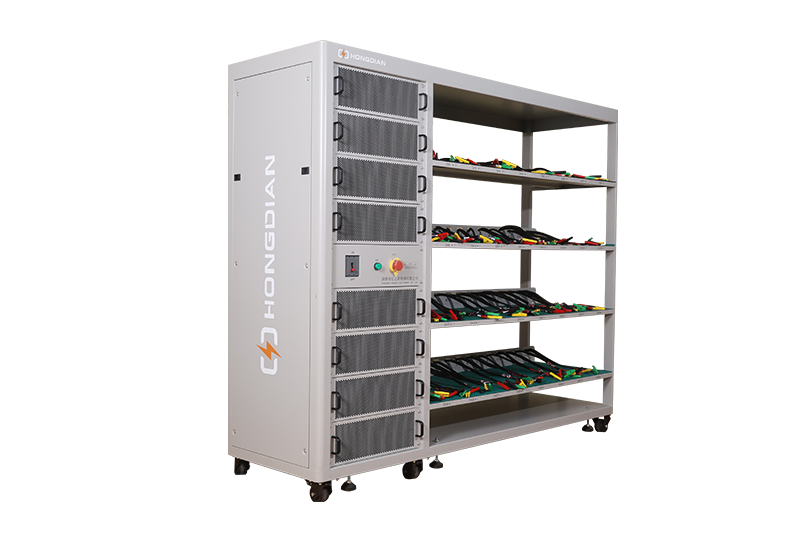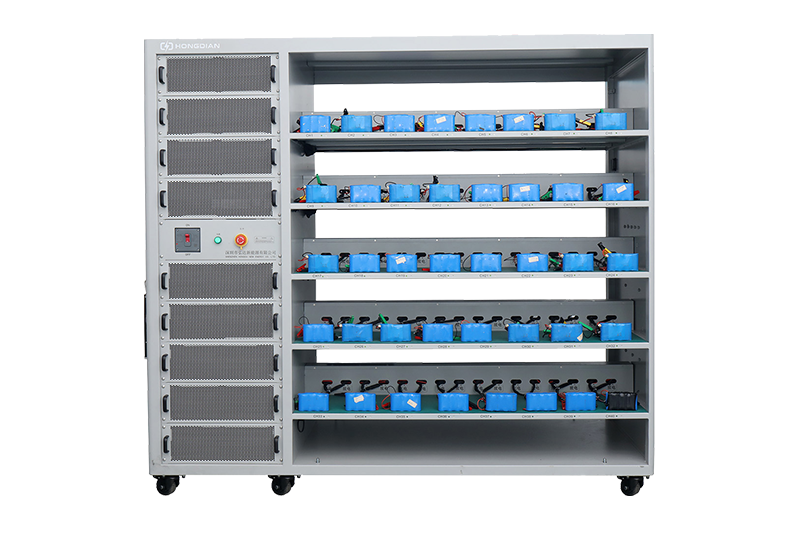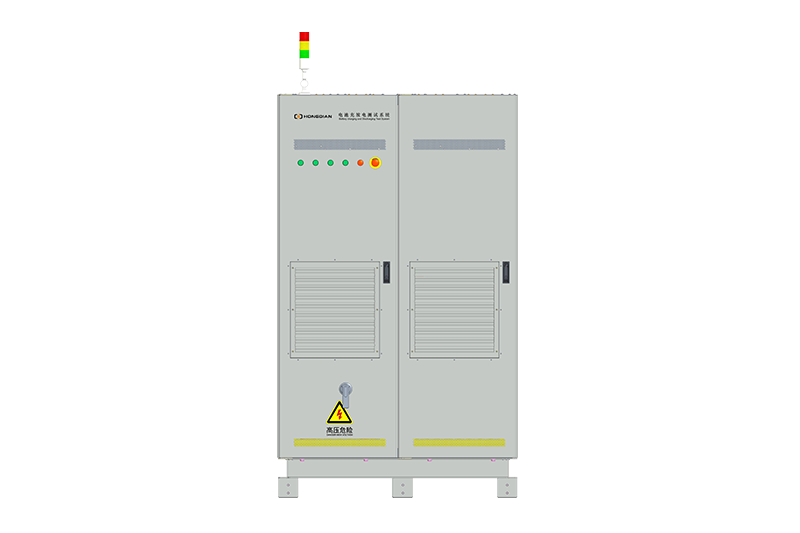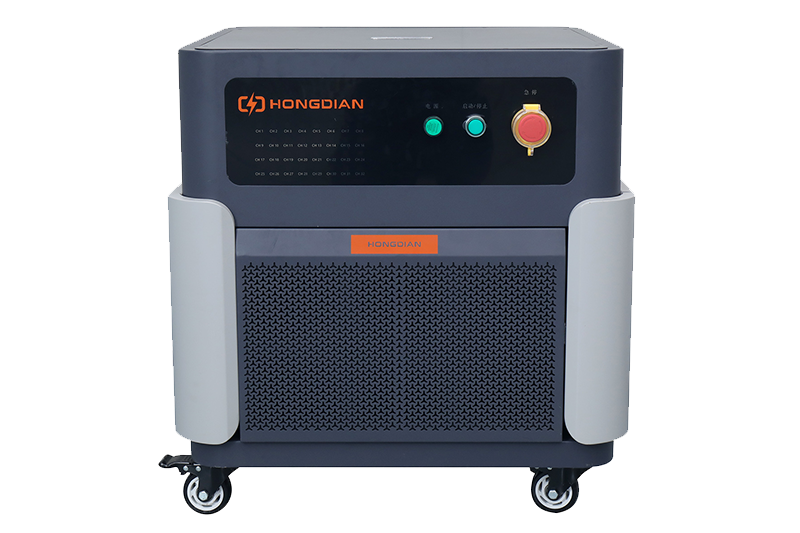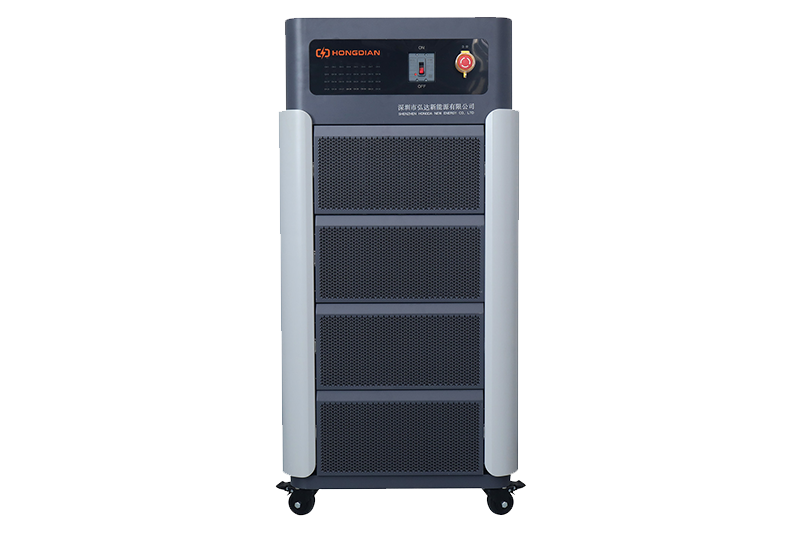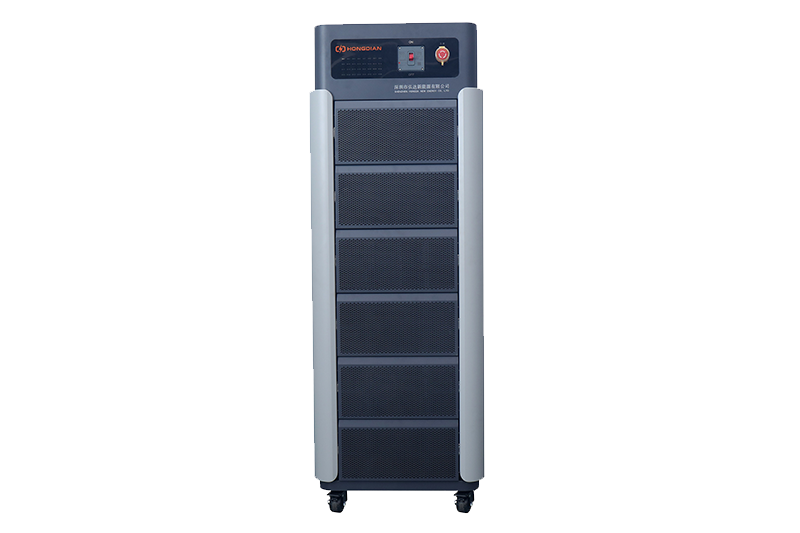
32/48 channel battery charging and discharging test integrated battery cabinet
40 channel battery charging and discharging test integrated battery cabinet
64 channel battery charging and discharging test integrated battery cabinet
80 channel battery charging and discharging test integrated battery cabinet

When it comes to managing power, the Ups Battery Tester really is a must-have tool. It’s pretty much the go-to device for making sure your uninterruptible power supply (UPS) stays in top shape. These days, with so much of our lives depending on tech, understanding how this little gadget works is important – whether you’re running a business or just taking care of stuff at home.
So, what does a Ups Battery Tester actually do? Well, it checks the condition of your backup batteries. Keeping those batteries healthy is super important – nobody wants those dreaded unexpected outages, right? This tester helps you catch problems early on, so you can fix things before they get really serious. Honestly, regularly testing your batteries can actually save you some time and a fair bit of cash in the long run.
But here’s the thing—this tool isn’t just about functionality. It also gives you peace of mind. There’s a lot of comfort in knowing your backup power system is solid. That said, a lot of folks don’t really get the hang of using this device properly. If you don’t understand how to read the results, you might end up making decisions based on inaccurate info. That’s why it’s pretty important to get some proper training on how to use the UPS Battery Tester. When you know what you’re doing, it’s a game-changer for making smart choices about your power backup.
A UPS battery tester is a crucial tool for anyone who relies on uninterruptible power supplies. This device checks the health and performance of the battery inside the UPS. By assessing voltage, capacity, and overall condition, users can gauge how well their UPS is functioning. Regular testing ensures that the system will provide backup power when it’s needed most.
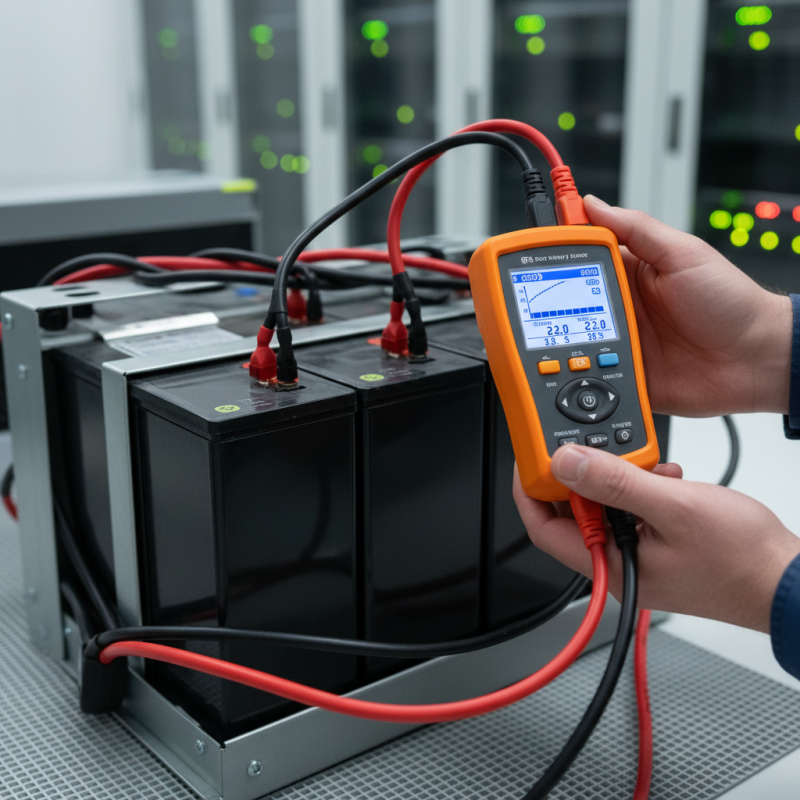
Understanding how a UPS battery tester works is essential. This device typically connects directly to the battery terminals. It then runs a series of tests to measure the battery's charge levels and efficiency. One common method is the load test, which applies a simulated usage to see how the battery responds. This process can reveal potential defects or degradation. Results can often be surprising, helping users realize that their batteries may need replacement sooner than expected.
The importance of employing a Ups Battery Analyzer cannot be understated. Many businesses assume their UPS systems are reliable without regular checks. Often, this leads to unexpected failures during critical times. Analyzing battery health can help avoid costly downtime and protect sensitive equipment. Regular testing fosters a proactive approach to power management, making it a necessary part of any maintenance routine.
Testing UPS batteries is crucial for maintaining system reliability. A malfunctioning battery can lead to unexpected power loss. This could disrupt operations in sensitive environments. Regular testing helps identify weak batteries before they fail. Many people overlook this step, thinking their systems will always work. This misconception can lead to costly downtime.
A UPS battery tester assesses the battery's voltage and health. It provides insights into performance and helps predict lifespan. By using it routinely, users can prevent inconvenience and frustration. It's a proactive approach to battery management. Ignoring this can lead to longer recovery times when failures occur. Maintaining a fully operational UPS system requires diligence.
Frequent testing allows businesses to evaluate their backup power plans. Small issues can escalate into bigger problems. A simple test can save time, money, and effort in the long run. Don't let neglect compromise your operations. Battery Testing is an essential practice that protects valuable assets.
A UPS battery tester is essential for maintaining the reliability of uninterruptible power supplies. It ensures that the batteries remain operational during unexpected outages. Regular testing can identify issues like reduced capacity or poor connections, which can lead to system failures.
To use a UPS battery tester, start by checking the charger’s state. A fully charged battery should show a voltage close to its rated value. If it's significantly lower, this could indicate wear. Many professional reports suggest that nearly 30% of UPS batteries fail due to aging. Next, conduct a load test by applying a controlled load for a short period. This measures how well the UPS can support the load under stress.
These tests can reveal hidden problems. Even minor discrepancies might suggest deeper issues. Practicing regular tests ensures efficiency and prolongs battery life. For users with deep cycle systems, a specialized battery tester for deep cycle batteries can provide crucial insights. It’s vital to keep a log of all results for future reference. This documentation helps track battery health over time, aiding in proactive maintenance strategies.
| Test Parameter | Description | Typical Value | Unit |
|---|---|---|---|
| Voltage | The electrical potential difference measured at the battery terminals | 12.6 | Volts |
| Internal Resistance | Resistance of the battery to the flow of current | 5 | Milliohms |
| Capacity | Amount of charge battery can hold | 100 | Ah |
| Temperature | Temperature of the battery during testing | 25 | °C |
| Load Test Duration | Time duration for the load test | 30 | Minutes |
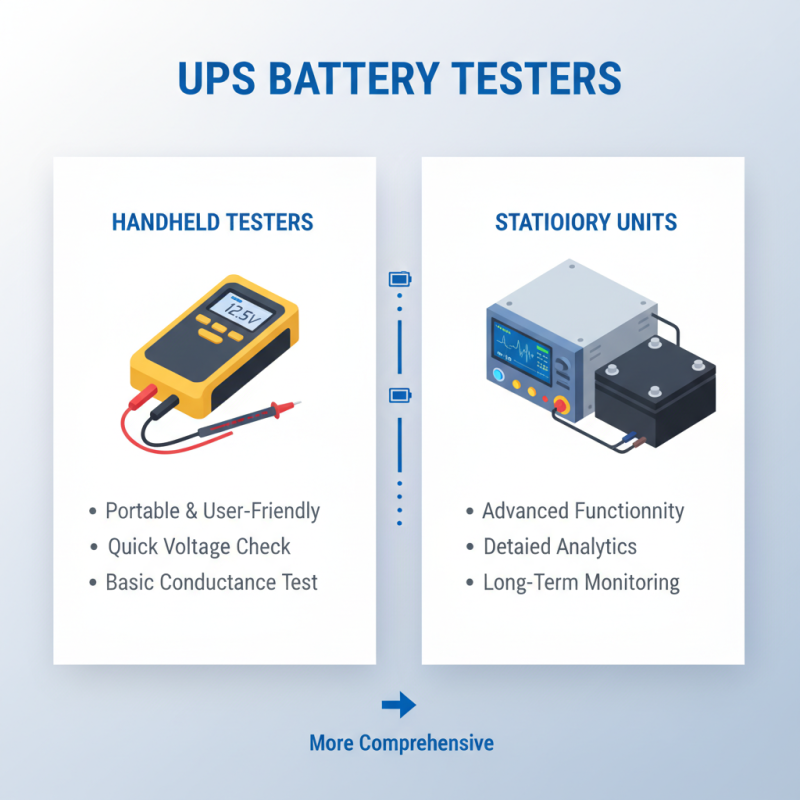
When selecting a UPS battery tester, understanding the types available in the market is crucial. Several options exist, each designed to cater to specific needs. The most common types include handheld testers, which are portable and user-friendly. They typically measure voltage and conduct a quick test. More comprehensive tests are performed by larger, stationary units. These testers often feature advanced functionality, including detailed analytics and long-term monitoring.
High Voltage Battery Testers are also prominent in the industry. These testers provide deeper insights into the battery's performance under load conditions. Many professionals advocate for using high voltage models to ensure optimal battery health. Reports show that companies that conduct regular battery tests experience a 30% increase in battery lifespan. However, many users still overlook testing, leading to possible failures and unexpected costs.
Additionally, some testers offer smart technology integration, providing detailed reports and alerts. However, the accuracy of these devices can sometimes be questionable. Users should carefully assess the specifications before purchase. Not all models are accurate or reliable in all conditions. Consistent testing and monitoring not only enhance performance but also prevent potential downtimes.
When selecting a UPS battery tester, understanding key features is essential for effective monitoring. The tester’s accuracy stands out. A device that offers precision readings ensures the health of your battery. Inaccurate data can lead to unexpected failures. According to industry reports, almost 30% of UPS failures are due to battery issues. That's a significant risk for businesses relying on uninterrupted power supply.
Another critical feature is the tester's ability to provide a comprehensive analysis of voltage and discharge capacity. Real-time monitoring can reveal fluctuating battery conditions. A reliable tester should also flag potential issues early. Early detection can reduce repair costs. When a UPS battery underperforms, it doesn’t just affect the system; it can disrupt operations entirely.
Consider the ease of use as well. A user-friendly interface allows quick checks without expertise. Some testers come equipped with alarms or alerts for battery issues. This feature can be a game changer when managing multiple UPS systems. Ultimately, choosing a UPS battery tester should not merely focus on the lowest price. Effective performance and reliability must guide your decision-making process.
Using a UPS battery tester effectively requires a clear understanding of the device and its functions. Begin by reading the user manual. Familiarize yourself with the key features of the tester. This knowledge will elevate your testing skills and confidence. A battery tester typically provides voltage readings and assesses battery health. Knowing how to interpret these results is vital.
When you're ready to test, ensure the UPS is powered off. This prevents any inaccurate readings or potential hazards. Connect the battery tester according to the instructions. Maintain a steady hand while taking measurements. Remember to check the results against the manufacturer's specifications. This will help you determine if the battery needs replacement.
Testing can also reveal other issues. Sometimes, a battery may appear healthy but fail under load. Regular testing helps catch these problems early. It’s a good practice to document your findings for future reference. Be mindful of environmental factors, like temperature, that may impact battery performance. Discovering these nuances can improve device longevity.
UPS battery testers play a crucial role in identifying common issues that can affect power reliability. These devices assess the performance and health of uninterruptible power supply (UPS) batteries. They provide a comprehensive overview of battery status, which can help prevent unexpected failures. Regular testing can uncover problems such as reduced capacity, poor connections, and aging issues.
One common issue identified by UPS battery testers is capacity loss. Over time, batteries may not hold charge effectively. This diminishes their ability to support connected devices. Another frequent problem is voltage irregularities, which can indicate potential failure. Users may notice inconsistently short runtimes. Such discrepancies can affect critical systems, putting data and operations at risk.
Furthermore, testing can reveal connection issues. Loose or corroded terminals can lead to inadequate power transfer. Regularly checking connections with an Emergency Light Battery Tester can proactively prevent failures. Relying on a UPS without regular diagnostic checks is a gamble. Even with a quality UPS, overlooking battery health can lead to unexpected downtime. Conducting tests ensures reliable operation and peace of mind.
In today's fast-paced research and development landscape, optimizing efficiency has become paramount, particularly in the field of battery testing. The advent of industrial-grade battery cycle life test chambers—capable of operating at 60V, 100V, and 120V—offers significant advantages for R&D labs aiming to conduct reliable and replicable tests. These advanced test chambers provide precise environmental control, enabling researchers to assess the longevity and overall performance of battery systems under varied conditions. Such meticulous testing is crucial for the development of batteries that meet the growing demands for energy storage solutions across multiple industries.
Alongside these test chambers, the introduction of compact portable cabinets for battery testing further enhances operational efficiency. Designed for charge and discharge testing within a minimized footprint, these cabinets allow laboratories to maximize their workspace while still conducting thorough evaluations of battery performance. Their portable nature means that they can be easily integrated into existing lab setups, making them an ideal solution for teams looking to streamline their workflow. With the combination of advanced test chambers and space-efficient cabinets, R&D facilities can drive innovation in battery technology more effectively than ever before.
: A UPS battery tester checks the health and performance of UPS batteries. It measures voltage, capacity, and overall condition.
The tester connects to battery terminals. It runs tests to measure charge levels and efficiency. Results can surprise users.
Regular testing prevents unexpected power loss. It identifies weak batteries before they fail, avoiding costly downtime.
Neglecting battery testing can lead to longer recovery times. It risks service disruption in sensitive environments.
It assesses battery voltage and health, predicting lifespan. This proactive approach helps prevent future inconveniences.
Yes. Small issues can escalate if untreated. A simple test can save significant time, money, and effort later.
Results highlight battery performance issues. Users might find they need replacement sooner than anticipated.
Frequent testing is key to system reliability. Regular checks help maintain fully operational UPS systems.
Yes, many believe their systems will always work. This misconception can lead to serious operational consequences.
Implement a routine testing schedule. Staying proactive protects valuable assets and maintains operational efficiency.
A UPS battery tester is a crucial tool designed to assess the performance and health of uninterruptible power supply batteries. Regular testing of UPS batteries is vital, as it ensures that they are functioning correctly and are ready to provide backup power when needed. The article outlines the step-by-step process of how UPS battery testers work, highlighting different types available in the market, as well as key features to consider when selecting a tester.
Additionally, it provides guidance on effectively using a UPS battery tester and discusses common issues that can be identified through testing. By employing a UPS battery tester, users can proactively maintain battery health, prevent unexpected failures, and ensure a reliable power supply during outages.