


How to choose between lithium iron phosphate and ternary lithium batteries?
Behind the debate between battery life and safety lies the scenario adaptation logic of two technological routes.
Whether in personal car purchasing, vehicle selection for operation, or energy storage project planning, the choice between lithium iron phosphate batteries and ternary lithium batteries always lingers in the minds of decision-makers. These two types of batteries have significant differences in core dimensions such as energy density, safety, and cost, and there is no absolute superiority or inferiority, only a difference in "scene adaptability".
How to make the most reasonable choice? The following analysis will be conducted from four key dimensions.
01 Core Performance Comparison: Each with its own unique technical roadmap
In terms of energy density, ternary lithium batteries have become the preferred choice for long-range vehicles due to their high energy density of 200-300Wh/kg. Taking Tesla Model S Plaid as an example, its range can exceed 700 kilometers. The conventional energy density of lithium iron phosphate batteries is 150-220Wh/kg, and after technological innovations such as blade batteries, it can reach 205Wh/kg, making it more suitable for short to medium distance commuting scenarios, such as BYD Han EV and other models.
In terms of safety performance, there is a significant difference between the two types of batteries. The decomposition temperature of lithium iron phosphate batteries exceeds 800 ℃, and even in needle puncture testing, they only smoke without catching fire. This characteristic makes them highly favored in high safety scenarios such as energy storage and buses. The decomposition temperature of ternary lithium batteries is 150-250 ℃, which poses a certain risk of thermal runaway. However, through BMS optimization and material improvement, safety has been significantly improved.
In terms of cycle life, lithium iron phosphate batteries can achieve 3000-7000 cycles under laboratory conditions, with a capacity retention rate of over 80 after 3000 cycles. They can cover a lifespan of 10 years or 300000 kilometers and support full charge discharge, making them very suitable for high-frequency usage scenarios. The cycle times of ternary lithium batteries are 800-1200 times, and after 1000 times, they decay by about 30%. It is necessary to control the charging limit to extend their lifespan.
In terms of low-temperature performance, the capacity retention rate of ternary lithium batteries is about 70% at -20 ℃, and they can still be charged and discharged normally at -30 ℃. The capacity retention rate of lithium iron phosphate batteries is only 50% at -20 ℃, and the range achievement rate in winter in northern China is usually only about 52%. However, the microcrystalline technology developed by companies such as GAC Aion has increased its -20 ℃ discharge efficiency to 85%.
In terms of cost considerations, the estimated system cost of lithium iron phosphate in 2025 is 0.32 yuan/Wh, which is 30% lower than that of ternary lithium batteries and has a long-term cost advantage. The cost of ternary lithium batteries is 0.46 yuan/Wh, which is greatly affected by fluctuations in cobalt prices. However, their performance advantages can share the cost pressure in high-end car models, and the residual value rate of used cars is higher when exported for three years.
02 Application scenario: What is suitable is the best
Ternary lithium batteries are more suitable for the following scenarios: frequent long-distance travel, users in cold northern regions, and their good low-temperature resistance can effectively alleviate range anxiety; High end performance models, such as the Xiaomi SU7 Max, support high-power charging and can recharge up to 400 kilometers in just 10 minutes; Users who plan to replace their cars in about 3 years may have higher residual value of their used cars due to the slower decay of ternary lithium.
Lithium iron phosphate batteries perform better in the following scenarios: daily urban commuting, a range of 300-500 kilometers is fully sufficient, and the purchase cost is lower; High temperature environments and high safety requirements scenarios, such as energy storage systems, buses, logistics vehicles, etc; Users who plan to hold vehicles for a long time can effectively reduce the cost of battery replacement; For users in warm southern regions, the disadvantage of low temperatures is not significant.
03 Technology and Policy: Parallel Development of Dual Lines
At the policy level, the energy storage sector explicitly supports lithium iron phosphate batteries. For example, Inner Mongolia provides a discharge compensation of 0.35 yuan/kWh, and it is expected that by 2025, lithium iron phosphate will account for over 86% of the newly installed energy storage capacity. In the field of new energy vehicles, the penetration rate of lithium iron phosphate in A-class and below models has reached 89%, and its market share continues to expand.
In terms of technological development, lithium iron phosphate has achieved energy density close to that of ternary lithium through innovations such as high voltage density and blade batteries. Ternary lithium continuously improves safety and cycle life through technologies such as quaternary lithium modification and BMS optimization, while reducing dependence on cobalt.
In terms of recycling, ternary lithium has a wet metallurgical recovery rate of over 95% due to the presence of valuable metals, resulting in a high recycling value. Lithium iron phosphate is more suitable for cascade utilization. When the remaining capacity is ≥ 70%, the profit can be doubled by four times, and the dry recovery cost is relatively low.
04 Decision suggestion: Choose the optimal solution as needed
For individual users, those in northern regions or with long-distance travel needs should prioritize ternary lithium batteries; For users in southern regions or mainly used for urban commuting, lithium iron phosphate batteries are a more economical and practical choice; Users with limited budgets and plans to hold vehicles for the long term can prioritize lithium iron phosphate batteries.
In terms of operating vehicles, high-frequency usage scenarios such as taxis and logistics vehicles should choose lithium iron phosphate batteries to reduce battery replacement costs; High end ride hailing services can consider using ternary lithium batteries to reduce charging waiting time and improve operational efficiency.
Energy storage projects should prioritize the use of lithium iron phosphate batteries, but attention should be paid to avoiding related risks. If using ternary lithium batteries, special attention should be paid to the reliability of BMS to avoid fast charging in high-temperature environments; To use lithium iron phosphate batteries, they need to be preheated to above 15 ℃ in a low-temperature environment before charging to reduce lifespan loss.
05 Market Outlook: Dual Technology Path of Complementary Coexistence
In the future, lithium iron phosphate and ternary lithium batteries will maintain a complementary coexistence pattern. Lithium iron phosphate dominates energy storage, mid to low end vehicle models, and the southern market due to its advantages of safety, long lifespan, and low cost; Ternary lithium relies on high energy density and low temperature resistance to dominate high-end car models, northern markets, and long-distance scenarios.
The key to choosing is to identify one's core needs and find the best balance between battery life, safety, and cost.
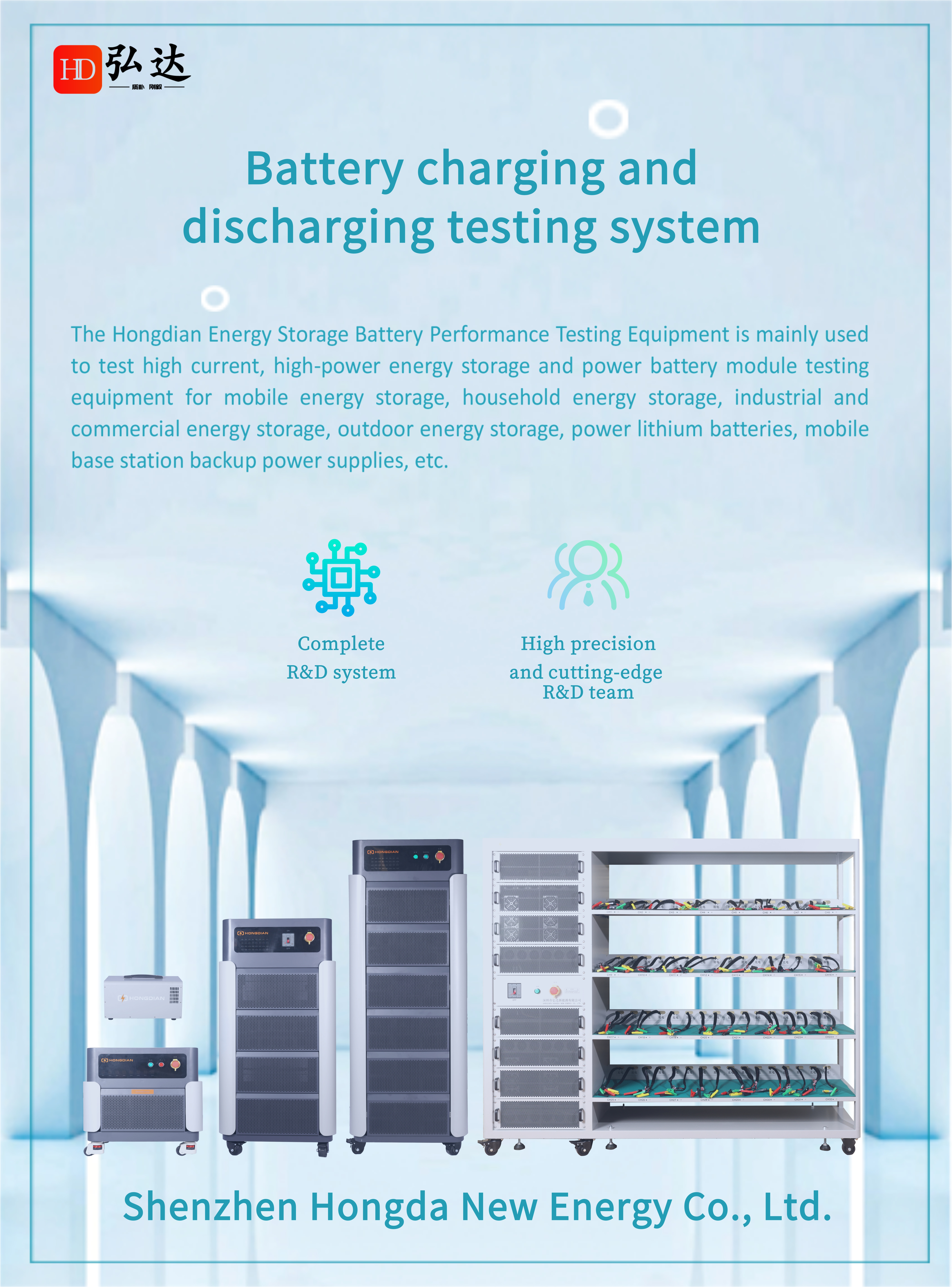
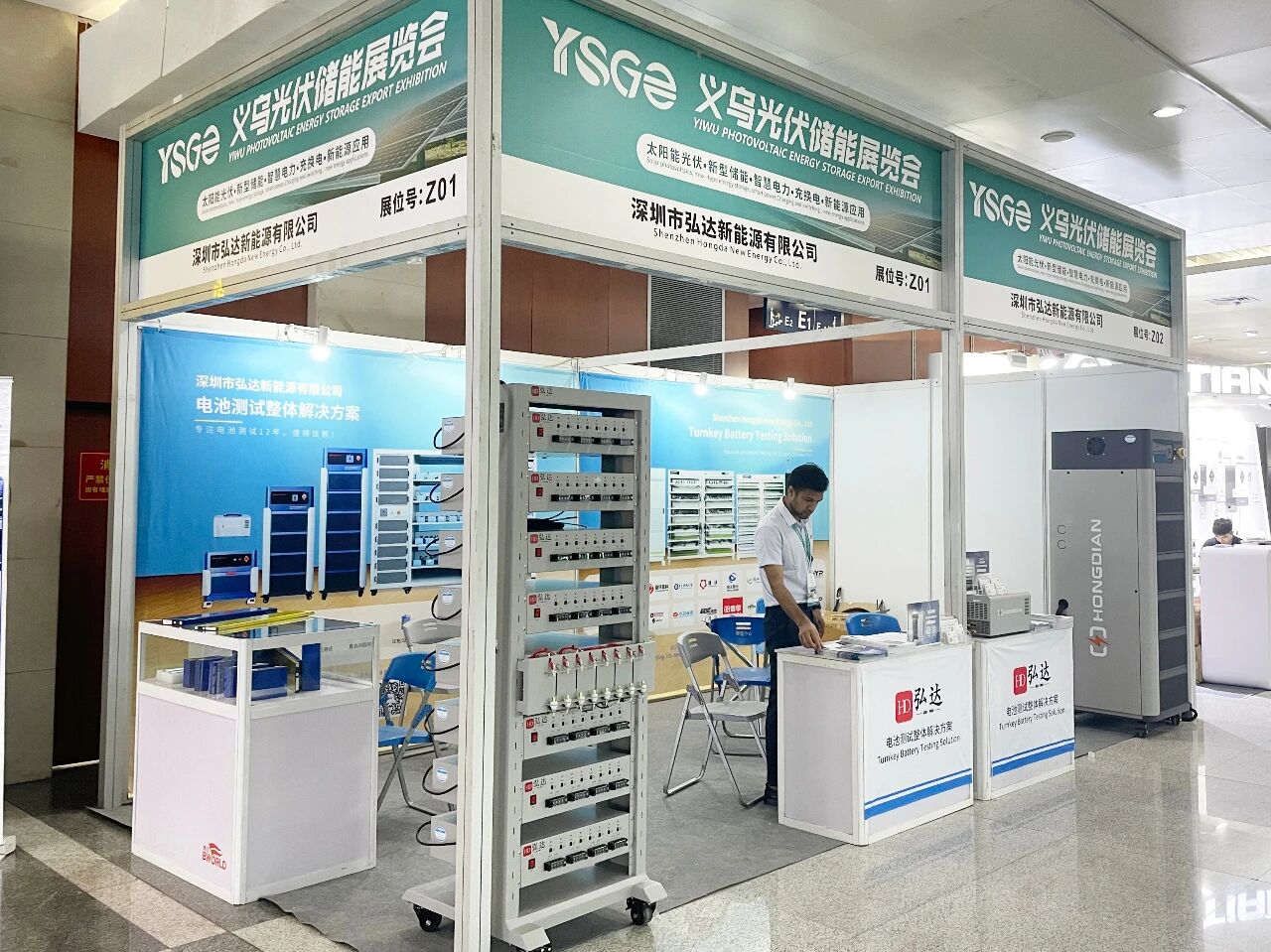
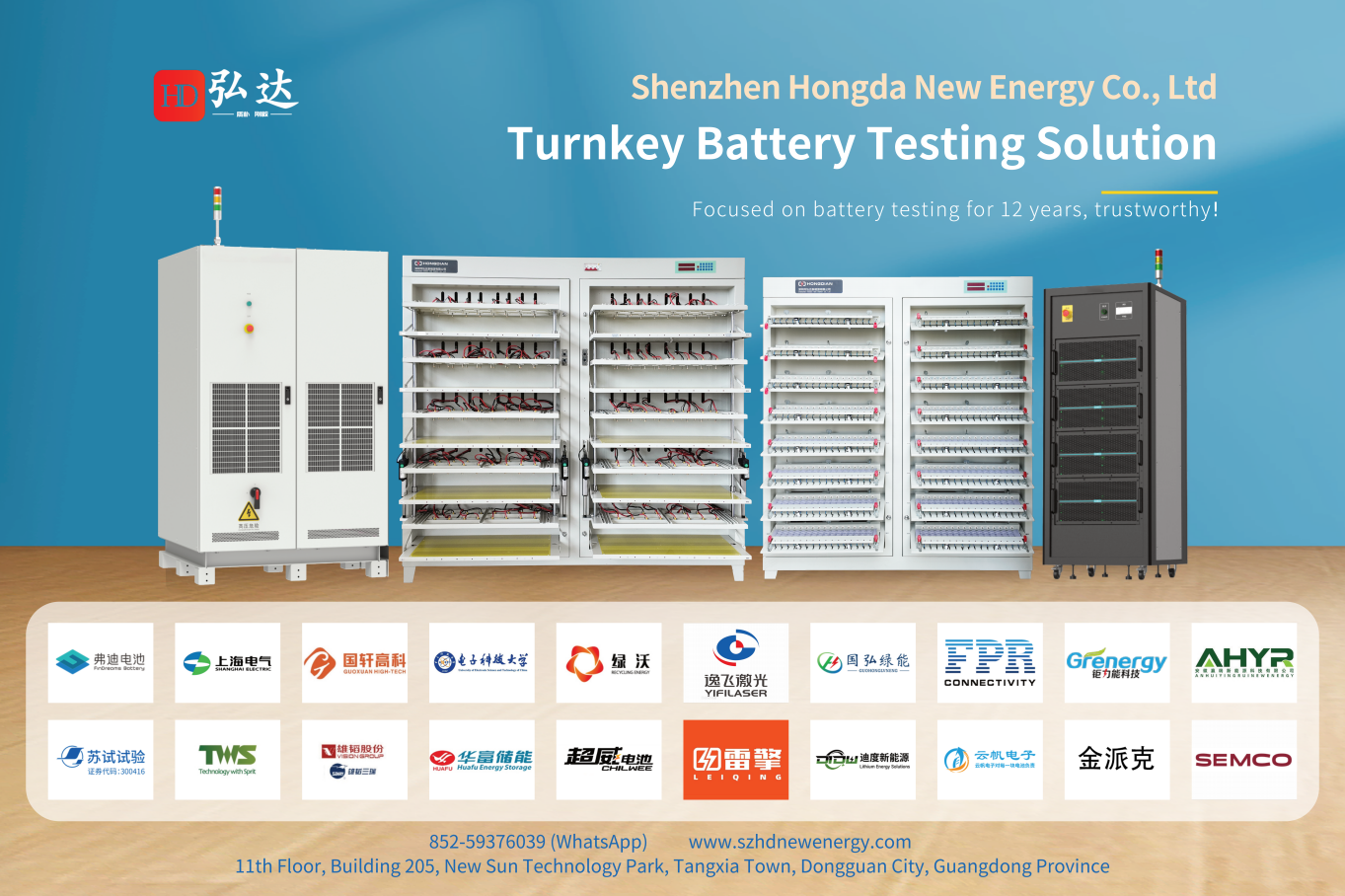
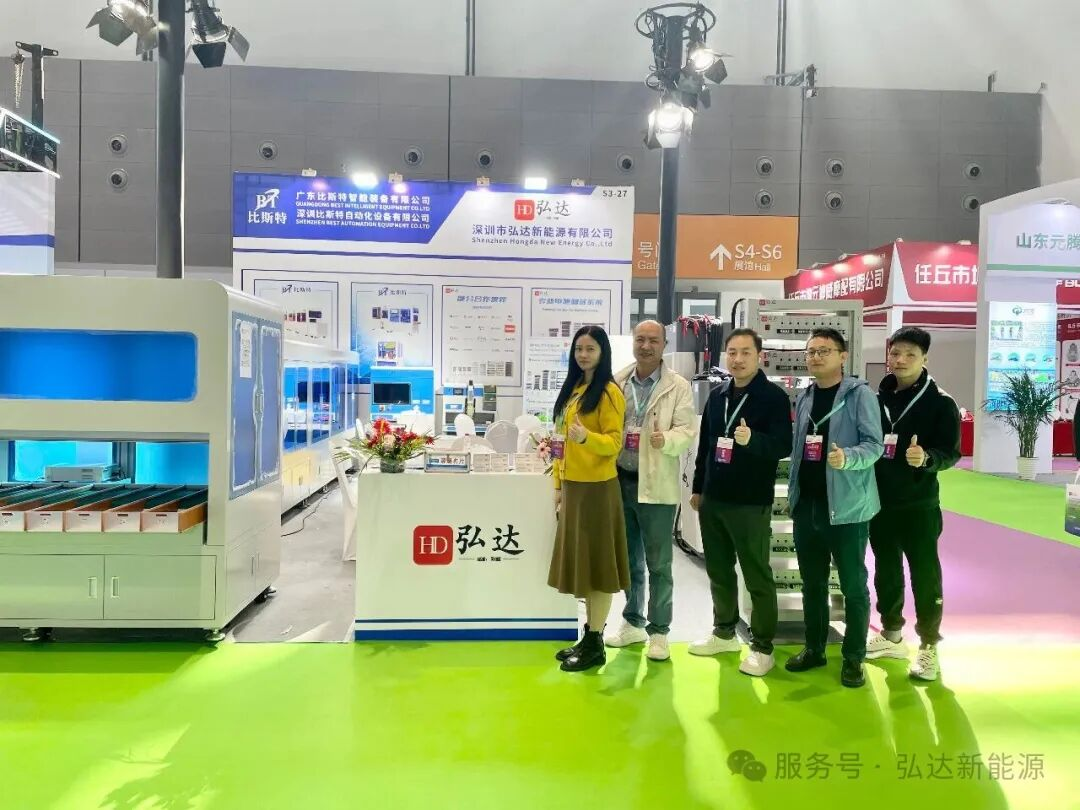
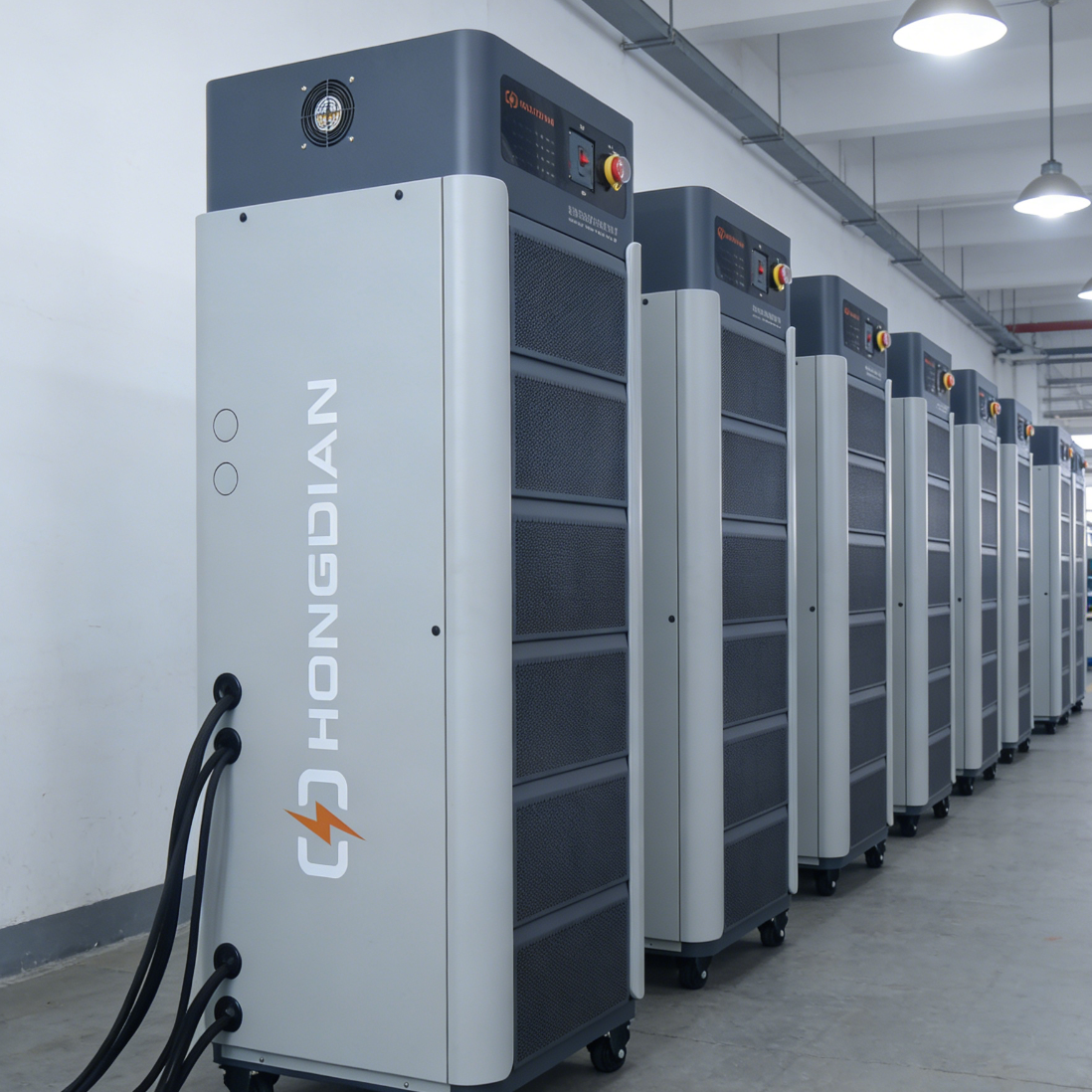
Against the backdrop of continuous innovation in battery technology, professional Battery Testing Equipment has become a key link in ensuring battery quality and performance. Shenzhen Hongda New Energy Co., Ltd. is deeply engaged in the field of battery testing, providing comprehensive testing solutions for battery manufacturers, new energy vehicle enterprises, and energy storage system integrators, helping the industry to control the quality of batteries.
Shenzhen Hongda New Energy Co., Ltd. focuses on the research and manufacturing of battery testing equipment, covering the entire testing process from battery cells to battery packs, ensuring the safety and reliability of batteries.